

Low blood pressure is a condition in which a person’s blood pressure falls so low that it leads to dizziness, fainting, fatigue, nausea, difficulty in breathing, and cold, humid skin.
Here’s a guide on how to control your Blood Pressure (BP) by following a balanced diet and regular exercises.
How To Control Low BP Immediately?
If your BP consistently remains around 90/60 mm or even lower than this, then you are a patient of low BP or hypotension. An extremely low BP can lead to an inadequate flow of blood to the brain, kidneys, heart and other organs.
Low BP is caused due to dehydration, extended bed rests, endocrine disorders, heart problems, pregnancy, any neurological conditions or nutritional deficiencies.
When suffering from a low blood pressure, it is suggested to increase your salt and fluid intake. Although, do consult your doctor before increasing your salt consumption. Try cutting down on alcohol based beverages and high-carbohydrate foods like bread, rice, pasta, and potatoes.
The exact treatment of this condition depends on its severe condition, but some simple home remedies might also help in alleviating the symptoms.

(Image Courtesy: Human n Health)
Instant Remedy For Low Blood Pressure
Low blood pressure or hypotension may result in an insufficient flow of blood to the heart and the brain. A sudden drop in blood pressure, known as postural hypotension is caused due to impromptu rise from a resting position. This often causes minor headaches or dizziness.
Following your doctor’s consultation, stick to the prescribed medications and regular exercises. Follow a diet that can help in raising your blood pressure and work out regularly to maintain it.
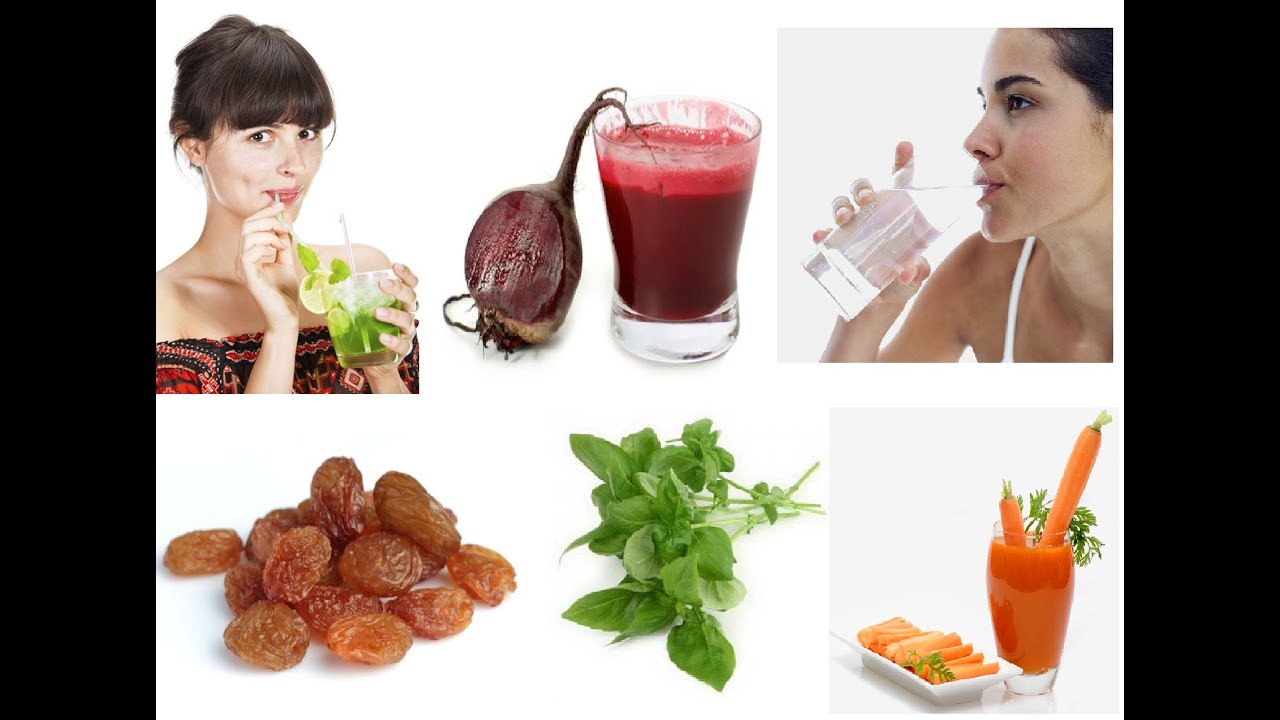
(Image Courtesy: YouTube)
Low Blood Pressure Treatment Food
Diet plays a vital role in maintaining your daily blood pressure. Here’s what to eat to maintain a healthy blood pressure.

(Image Courtesy: A to Z Research)
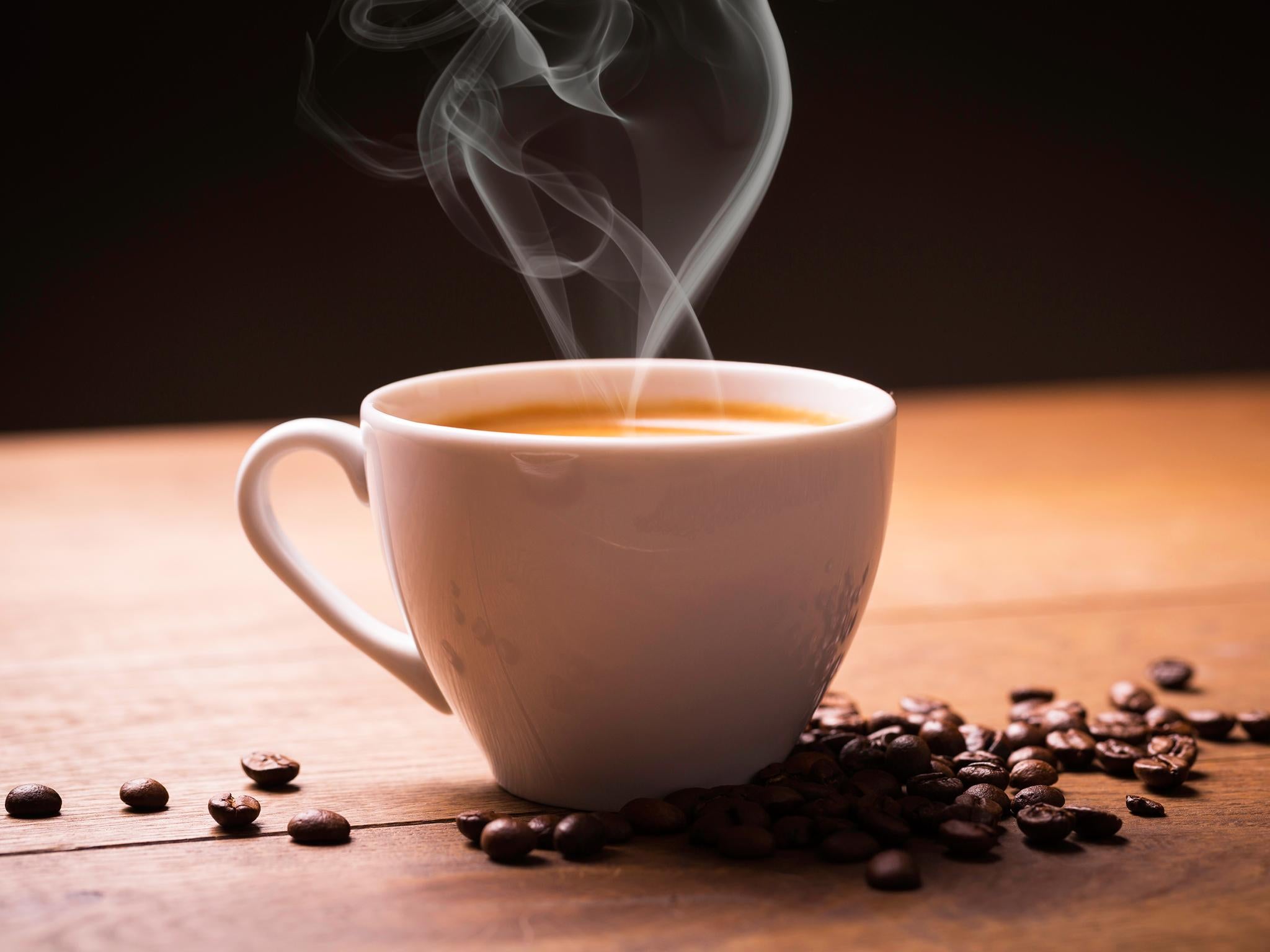
#1. Coffee
For a temporary increase in your blood pressure, have a cup of strong brewed coffee, hot chocolate, cola, or any other caffeinated beverage. If you often suffer from low blood pressure, then make sure you drink one or two cups of coffee in the morning, or along with any of your meals.
(Image Courtesy: The Independent)
#2. Salt Water
The sodium present in salt helps in treating low blood pressure. Mix half teaspoon of salt in one glass water and gulp it down your throat.

(Image Courtesy: Feel Healthy Life)
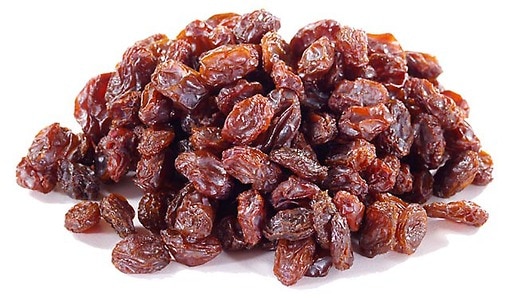
#3. Raisins
Raisins are an excellent treatment for hypotension. Its daily consumption can naturally balance out your blood pressure level. Soak some raisins overnight, and eat them in the morning.
(Image Courtesy: Nuts)
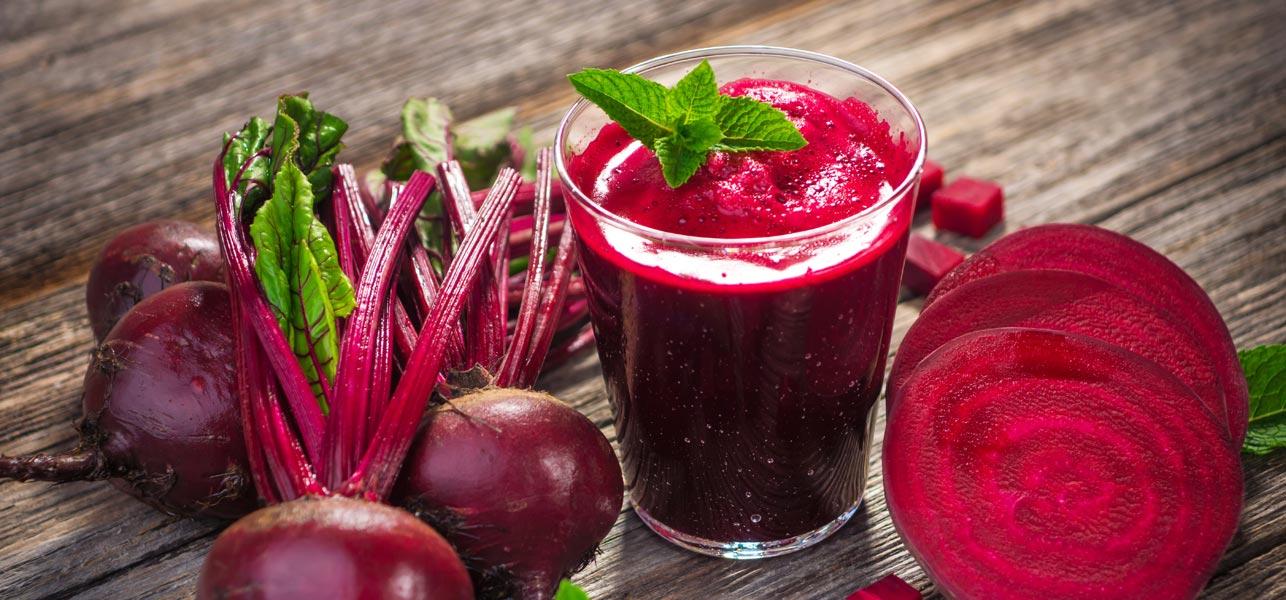
#4. Beetroot Juice
Juice made out of raw beetroot can be helpful during low blood pressure. Drink one cup of beetroot juice daily for about a week.
(Image Courtesy: Style Craze)
Food To Increase Blood Pressure Naturally
Just like hypertension or high blood pressure, people suffering from low blood pressure are prone to dangers alike. Include this list of healthy food habits to increase your blood pressure naturally.

(Image Courtesy: Thrive Market)
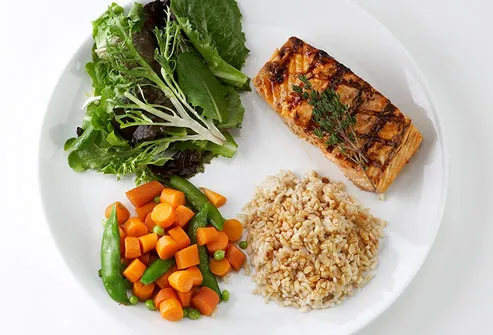
#1. Eat small portions
Develop the habit of taking small snacking meals in between two major meals of the day. Eating regular and small portions in short intervals can prevent sudden drops in the blood pressure.
(Image Courtesy: WebMD)
#2. Add Fluids To Your Diet
Low blood pressure or not, it is highly recommended to drink at least 2-3 liters of water every day. You can also add coconut water or any other non-carbonated drinks to your diet. It is so because; fluids will give you the necessary electrolytes which will prevent dehydration. Pomegranate juice is a great option because it is rich in antioxidants that help in maintaining blood pressure.

(Image Courtesy: BoldSky)
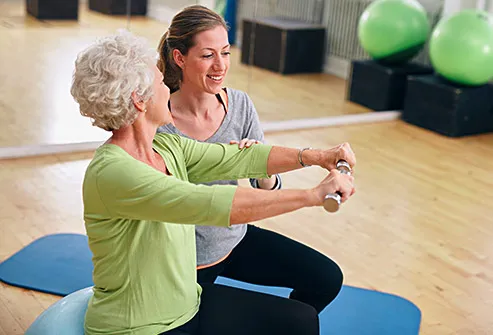
Low Blood Pressure Diet And Exercise
Apart from following a carefully formulated diet, it is also important to regularly exercise. Practice these asanas to get rid of BP problems.
#1. Sarva Hita Asana
#2. Meru Prishthasana
#3. Skandharasana
#4. Viparitakarani Mudra
#5. Bakasana Crane
#6. Khatu Pranam
(Image Courtesy: WebMD)
Did you find the article helpful? Let us know in the comment section below.

 Share
Share


