

Plaque and tartar removal treatments are becoming pretty common these days. Every other person is a victim of the same. However, not many are aware of what exactly is tartar on teeth and how it affects their dental health.
You might be brushing twice daily, but that alone cannot restrict oral problems.
Tartar - Definition
Tartar is a common dental problem. So, even if you take proper care of your oral hygiene, you can still have some bacteria sitting in places unreached. Bacteria mixes with food to form a sticky byproduct on your teeth. It's called dental plaque. When this gets under your gum lines, it leads to cavities along with degeneration of tooth enamel. However, if greater problems arise, the sticky plaque hardens and forms tartar.
Tartar Meaning: Tartar is porous, rough and can lead to gum diseases. It's basically multiple layers of plaque combining with saliva and forming into hard, white and a chalky substance that sticks to your teeth. Tartar, unlike plaque, is a mineral buildup which becomes easily visible and generally deposits between the lower front teeth or at the gum line.
Tartar On Teeth
When tartar on teeth gets formed, it becomes really difficult to floss and brush. Tartar above the gum line can lead to progressive gum diseases like gingivitis.
When the conditions start to worsen, teeth and gums get infected by bacteria. This leads to the problem called periodontitis. It loosens the hold of your teeth. Tarter basically paves the way for bacteria to produce comfortably. To have a nice and sparkling smile, it's important for the dentist to remove the existing tartar in case it's pretty hardened. And secondly, use preventive remedies to avoid tartar buildup in future.

(Image Courtesy: Best Toothbrushes)
Plaque And Tartar Removal
Either you can opt for professional help or try natural remedies that not only eradicate the problem, but also act as precautionary measures.
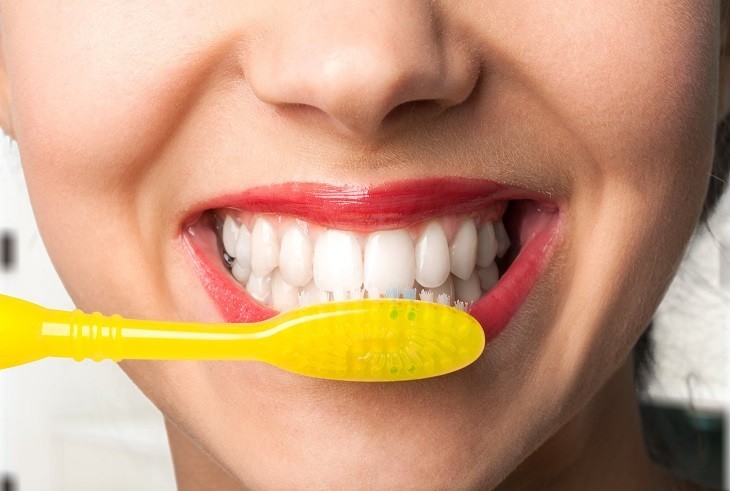
#1. Brushing and flossing is an essential step to restrict the formation of plaque and tartar.
#2. Make use of an effective tartar control toothpaste that kills the oral bacteria.

(Image Courtesy: Beffa Dental)
#3. Brush with a mixture of baking soda (2tbsp) and salt (1tbsp) for tartar removal and teeth whitening.
#4. Oil pulling is another best way to naturally remove plaque and tartar. Gently swish in your mouth 1tbsp coconut oil, spit out and brush.
#5. Rub on your teeth an orange peel for 1-2 minutes or just apply a paste of orange peel to fight against tartar.
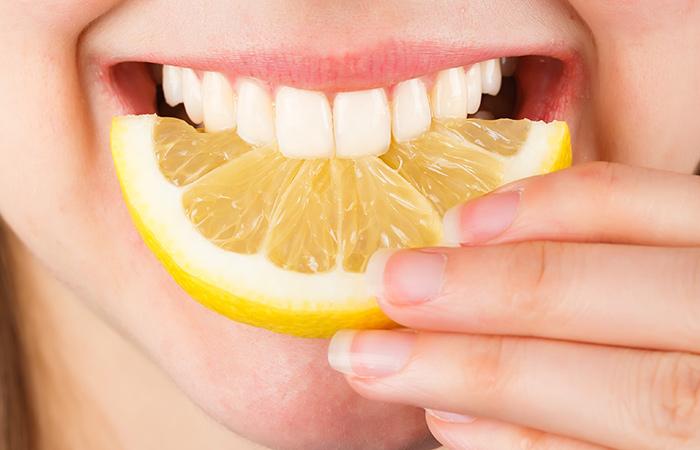
#6. Apply lemon, tomato or strawberries to your teeth. Use them as a toothpaste, brush and rinse. Simple!
(Image Courtesy: style Craze)
#7. Rub Aloe Vera pulp on your teeth, let it sit for about 10 minutes and rinse the same with cold water.
#8. You should avoid eating starch and sugar rich items because they promote bacterial growth in the mouth.
#9. To reduce the formation of oral bacteria, rinse your mouth with black tea as it's a rich source of fluoride and prevents tooth decay.
#10. Professional treatment is called scaling where special equipment is used for plaque and tartar removal.
(Image Courtesy: Healthrow)
#11. Undergoing regular dental checkups and clean-ups let your teeth stay away from any kind of bacterial formations that give rise to problems like plaque or tartar.
Liked what you just read? Let us know through the comment section below. We would love to hear from you!
(Featured Image Courtesy: Yellow Pages)


