
If you’re new to the study of science, or biology, in particular, there are many things that you won’t understand at the first go.
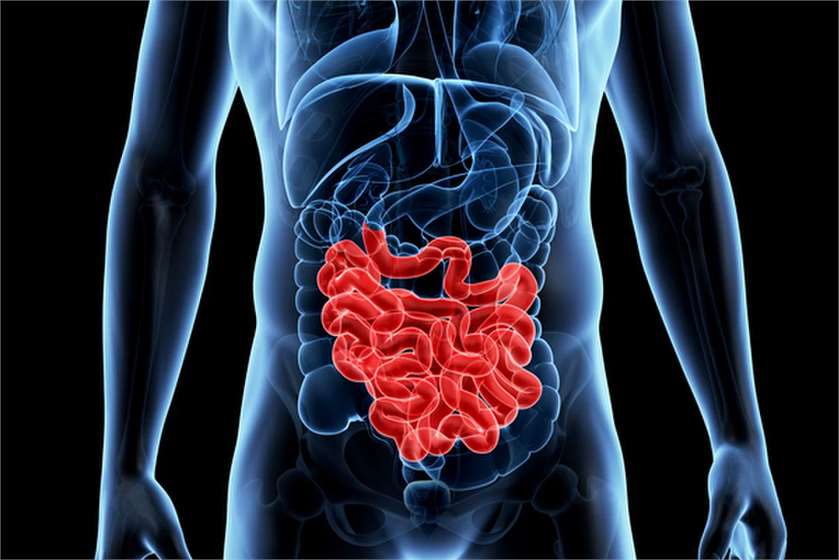
Of these things, the one that balks people the most is the paradox that small intestine is. It is the longest tract in a human body and is still referred to as the small intestine.
To clear all the confusions, we will tell why it is called the small intestine and why it is still so long. Take a look:
The small intestine resides beneath the large intestine in human beings. They are referred to as the small intestine because they have a smaller diameter compared to the large intestine. The diameter of the small intestine is about an inch while that of the large intestine is close to 2 inches.

(Image Courtesy: Reference)
Now that we know that the small intestine is a thinner tract than the large intestine, we should also note that it is in the small intestine that the absorption of food takes place. The small intestine contains millions of finger like structures called the villi which further branch out to form microvilli, and ultimately help in increasing the contact area to absorb as many nutrients as possible from the digested food.
(Image Courtesy: Socratic)
It is longer in length as it speeds up the absorption of food and eventually it helps in a complete digestion.
If you found this article informative, let us know in the comments below.
(Featured Image Courtesy: Live Science)

11 Opinions

106 Opinions


 Share
Share


