
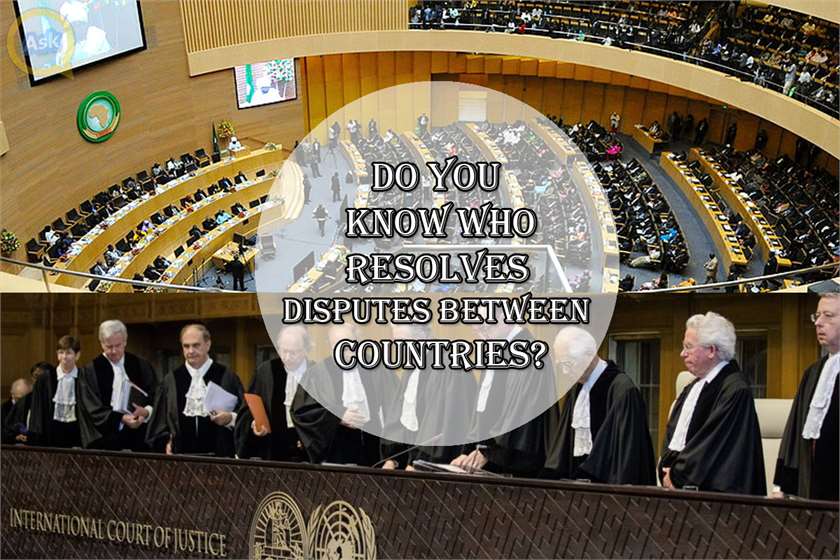
When you share a border with another country or indulge in trade practices with them, disputes are bound to happen; just like it happens between neighbors and business associates. But when we, as individuals have disagreements, we sit down or go to a law-enforcement or judicial agency to resolve the issue. So, where do countries go to find a solution to their disputes? The answer is International Courts.
International Courts are the results of treaties between countries or formed by international organizations, such as the United Nations to promote peace and settle disagreements between nations. There are various tribunals and courts with a ranging degree of association with the UN. As the International Justice Day is being observed on 17th July, let’s take a look at the various international judicial institutions that resolve a dispute or strive to carry out justice.
#1. International Court of Justice
The International Court of Justice (ICJ) or World Court is UN’s primary judicial body, aimed at settling disputes between sovereign countries. It was established by UN Charter in 1945 but started operating the year next. The seat of the court is at the Peace Palace in The Hague city of the Netherlands. Among the most significant rulings by ICJ include finding the United States guilty of military and paramilitary activities against Nicaragua. Most recently, it put a stay on the execution of Kulbhushan Jadhav, an Indian citizen accused of espionage in Pakistan.
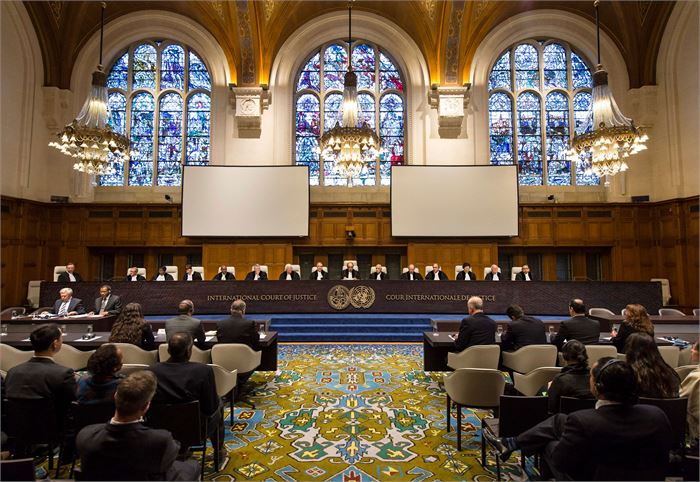
(Image Courtesy: MUNPlanet)
#2. International Tribunal for the Law of the Sea
International Tribunal for the Law of the Sea (ITLOS) is an independent body formed by a UN Convention on the Law of the Sea in April 1982 to settle disputes arising from the application of the convention. Based in Hamburg Germany, the tribunal is served by 21 judges, originating from a variety of state parties. At the special requests of Chile, and Ghana and Ivory Coast, it has also formed a 5-judge tribunal to deal with their cases.
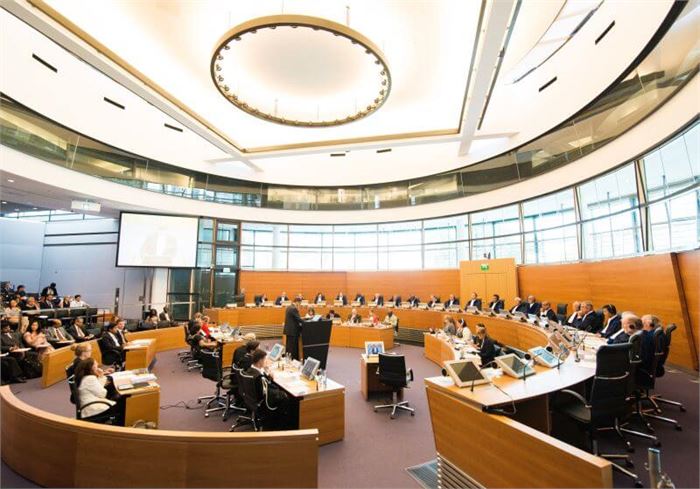
(Image Courtesy: The Westphalian)
#3. International Criminal Court
International Criminal Court (ICC or ICCt) has global jurisdiction to investigate and try individuals, who are charged with grave crimes concerning the global society, such as crimes against humanity, war crimes, and genocide. The role of the institution is that of the last resort, meaning it only tries an individual when national authorities cannot or choose not to prosecute. In March 2012, the court found Thomas Lubanga of the Democratic Republic of the Congo guilty of war crimes, using children as soldiers and sentenced him to 14 years of imprisonment.
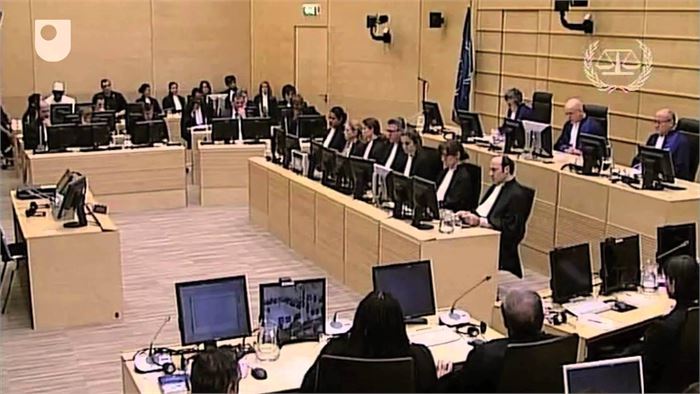
(Image Courtesy: YouTube)
Apart from these, there are various tribunals, such as International Criminal Tribunal for the former Yugoslavia (ICTY) which deals with the cases of violation of the International Humanitarian Law in Yugoslavia after 1991, and International Criminal Tribunal for Rwanda (1994-2015) where the cases of Rwanda Genocide were tried.
Tell us your views on this topic, what you think about the various international judicial institutions and if you think they are necessary through your comments below.

24 Opinions

 Share
Share


I think it is UNITED NATIONS!