

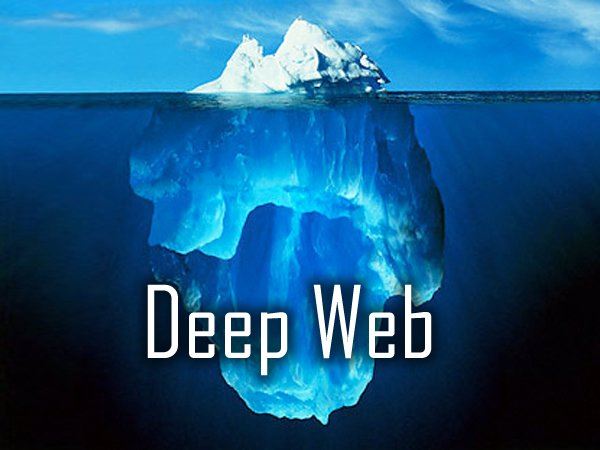
The internet is vast, right? Would you believe if somebody told you that the millions of web pages and websites you access are just the tip of the iceberg?!
That’s true. The pages accessible through Google, Bing and other popular search engines are just a fraction of the content that is actually on the web. Most of the pages and sites are not indexed by standard search engines for a variety of reasons.
The remaining portion of the internet that is not accessible to everyone is the dark web. Let's know more about the iceberg below the water.
How Big Is It?
Since the dark web is not regulated by any authority or organization, it is very difficult to determine its actual size. However, experts are of the belief that what most people access through standard search engines makes for less than 1 percent of the total content on the World Wide Web. Others also argue that the invisible web is about 500 times larger than the visible web, which is also referred to as the surface web.
While in 2004, about 300,000 dark web sites were detected, Denis Shestakov, a data engineer claimed that around 140,000 hidden websites existed on the web in Russia alone in 2006. And today, the numbers are believed to be in the upwards of the billions.
(Image Courtesy: Entertales)
What Is On The Dark Web?
The dark web is used for a plethora of reasons, ranging from web mail and online banking to myriad paid services that are protected by a paywall, such as a video on demand. The unregulated nature of the dark web also makes it a haven for illegal activities.
Therefore, everything from child pornography and black markets for drugs and ammunition to hitman services can be found here. The advent of Bitcoins and other crypto currencies that are used for making payments anonymously has helped the rise of the dark web.

(Image Courtesy: The Daily Beast)
How To Access It?
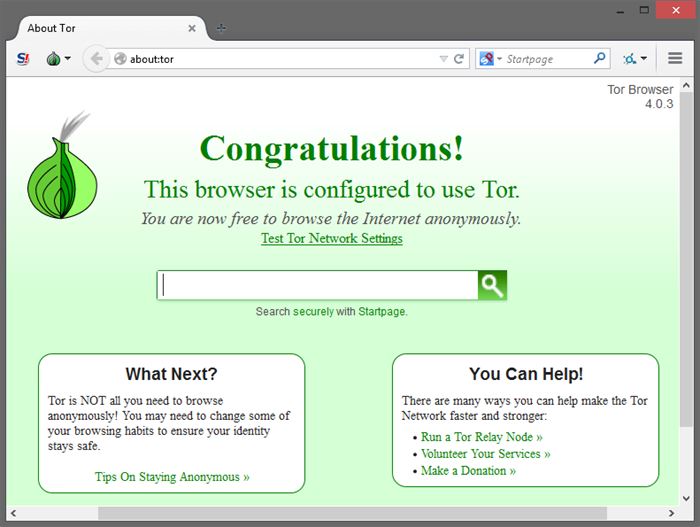
Accessing the dark web is, in fact, quite easy. Much of it can be accessed through Tor, a free browser which enables anonymous communication. It automatically setups a randomized network, encrypts and bounces communication through random connections through relays run by volunteers from all over the world.
There are also some search engines that you can use on your Tor browser to access hidden web, including onion.to, which allows you to access Tor hidden services, and Freebase.
(Image Courtesy: SourceForge)
Have you ever accessed the dark web? What did you find there and how was the experience? Share it with us through your comments in the section below.
(Featured Image Courtesy: The Independent)

3 Opinions

 Share
Share


