
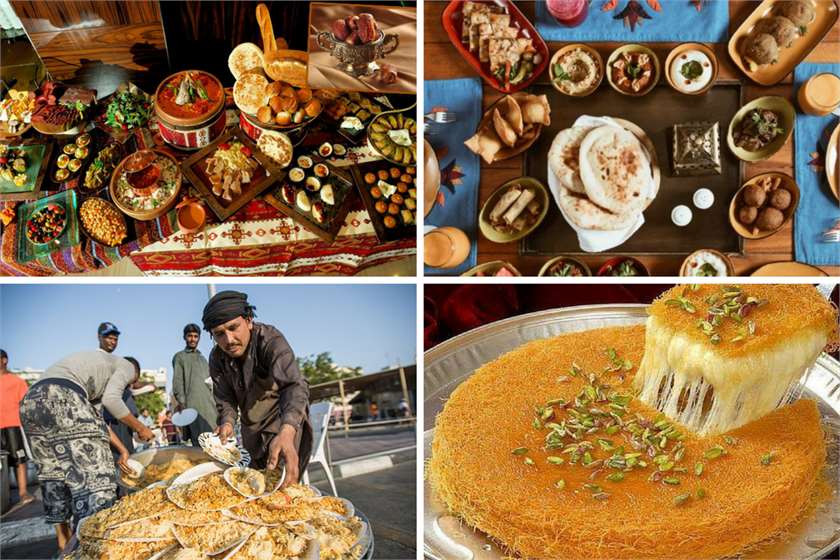
With the onset of the holy month of Ramadan, a period that commemorates the first revelation of Quran to Prophet Muhammad, the followers of Islam practice strenuous means of fasting that begins with sehri in the morning before dawn and ends with iftar feasts in the evening following the sunset.
While the custom all across the globe remains the same, many countries follow outlandish ways to show their respect and devotion for the festival, which is regarded as one of the ‘Five Pillars of Islam’.
Peshawar, Pakistan
(Image courtesy: toppakistan.com)
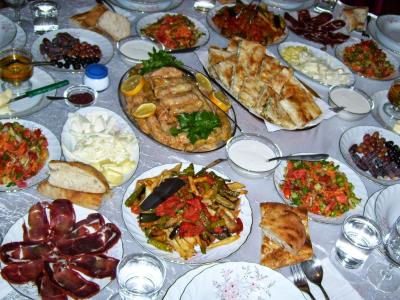
Being a Muslim country, it celebrates the month of Ramadan with much gusto. However, the beauty lies in the diverse range of savoury dishes offered in the country by the end of the day, as adhan and sirens mark the end of sawm. Cities like Peshawar, Quetta, Karachi and Lahore are famous for its elaborate iftar feasts with food items like kebabs, lahori Chargas and mutton curries being cooked to mark the celebratory mode.
Cairo, Egypt
(Image courtesy: scoopempire.com)
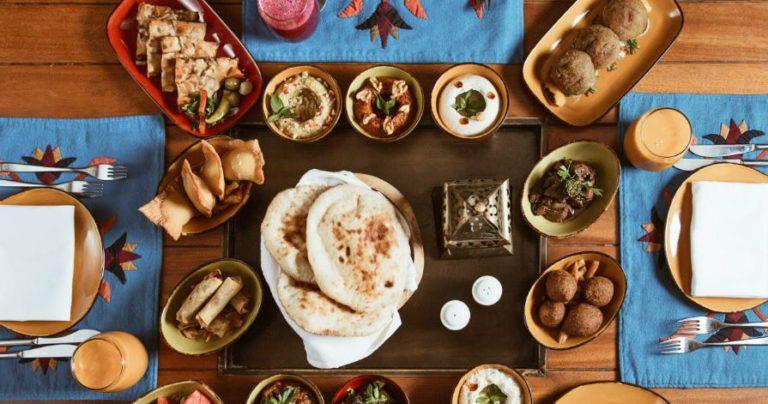
Egypt follows a unique yet exciting way to celebrate the Islamic practice. Instead of sirens, a cannon shot is fired to mark the end of the day, compelling all followers to engage in iftar feasts to break their day-long fasts. The feast includes an array of Egyptian dishes like Falafel and suhoor meal to relinquish their hunger.
Java, Indonesia
(Image courtesy: worldbulletin.com)
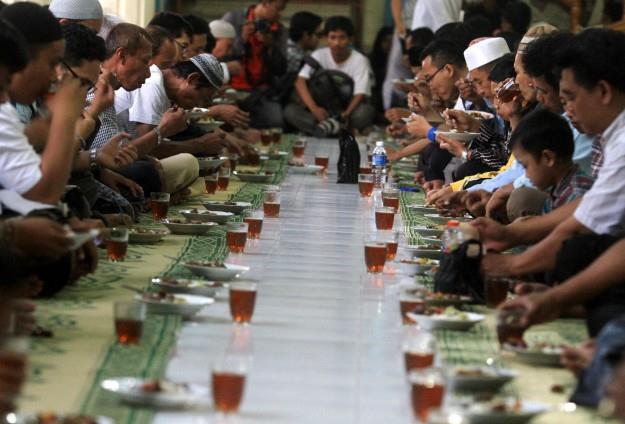
The island of Indonesia practices iftar celebrations in a similar fashion to Hindus. After the sunset, the followers of Islam take a dip in holy water before consuming food to break their fast. The ritual, known as Padusa, is still practiced by majority of the inhabitants. Although their menu is quite similar to Pakistan, the only thing that differentiates them from the latter is the practice before the feast.
Yemen, Saudi Arabia
(Image courtesy: boishakhinews.com)
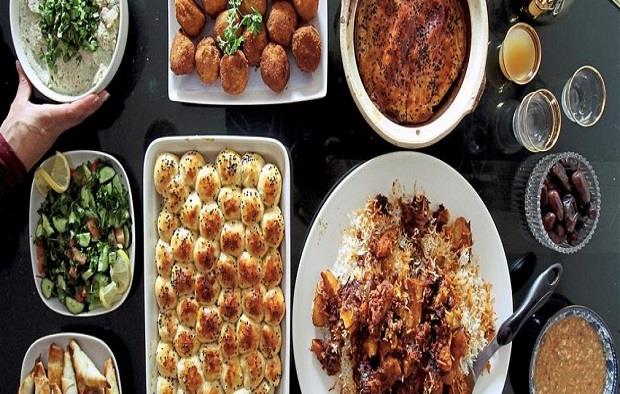
The Republic Of Yemen observes this Islamic practice like any other Muslim country. The city celebrates the festival of Ramadan with elaborate decorations, as elderly people gather in large numbers to read Islamic poetry and chants, while all gorge onto Yemeni food such as Rawani and Shawbia to break their fasts.
Istanbul, Turkey
(Image courtesy: ankarascene.com)
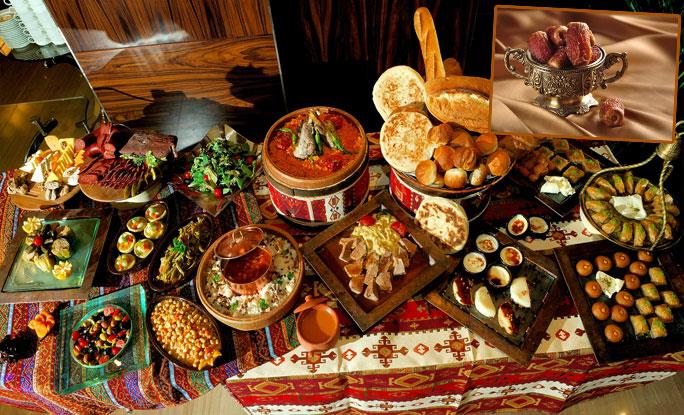
Unlike other countries, many restaurants in Istanbul follow a set pattern for iftar feast across the country. The menu begins with a soup or an appetizer called iftariye, followed by Turkish food and a pastry in the end. The elaborate menu is the perfect way to break the fast and enjoy some finger licking good food.
Kashmir, India

(Image courtesy: youtube.com)
Instead of sirens, random drum beaters known as Sahar Khwan inform the people about sehri and iftar timings. At the sunset, a table full of delicious dishes like Haleem and Kashmiri Bakarkhani dominate the feasts as followers break their fast and consume food to mark the end of the day.
Dubai, UAE
(Image courtesy: timeoutdubai.com)
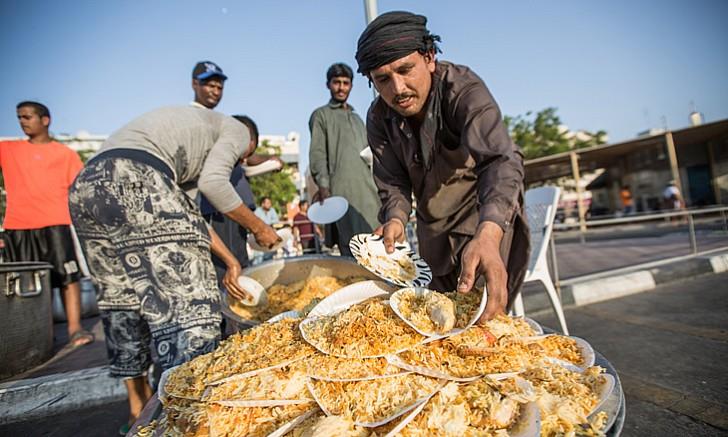
Dubai is famous for its iftar dinners and feast as it offers a broad range of Emirati food on the platter to Muslims and Islam followers. While elite restaurants promise an exquisite range of menu to celebrate iftar, mosques and public gatherings serve biryani and assorted sweets to let the people break their fast.
London, United Kingdom
(Image courtesy: metro.com)
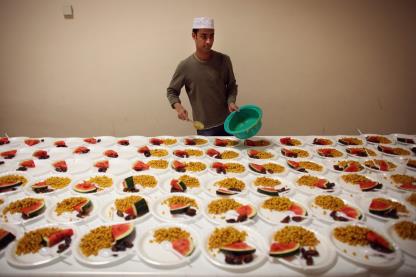
Ramadan celebrations in London are nothing less than a festival. The capital of United Kingdom observes the Islamic holy month with much enthusiasm. On one hand, the East London Mosque offers iftar to as many as 500 people who gather at the place to enjoy a shared meal with fellow mates and relatives. On the other hand, the Mayor of London organises a festival that includes a food festival, catwalk show, face painting, story-telling and live music as a part of the celebration to mark the auspicious month of fasting.
Daara, Syria
(Image courtesy: pinterest.com)
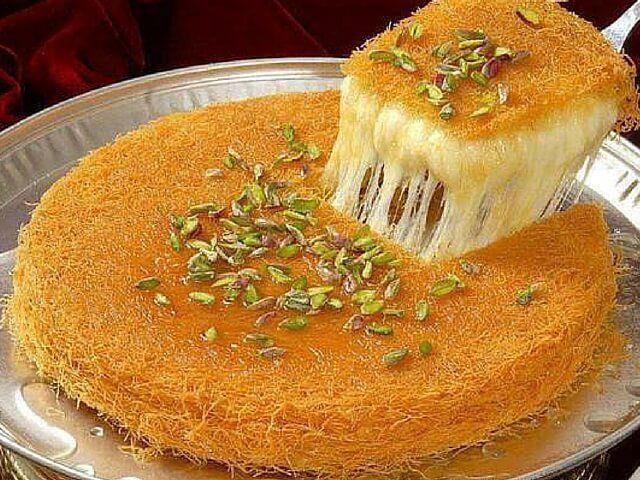
Iftar in Syria is served differently. Before the meal is served, people are offered dates and sweet drinks to regain their strength and boost energy in the body. Following which, an extensive range of dishes are served. However, the meal is incomplete without a dessert called konafa or qattayef. The cake, rich in wheat, raisins, sugar, honey and nuts, is mandatory for iftar.

25 Opinions

 Share
Share


