
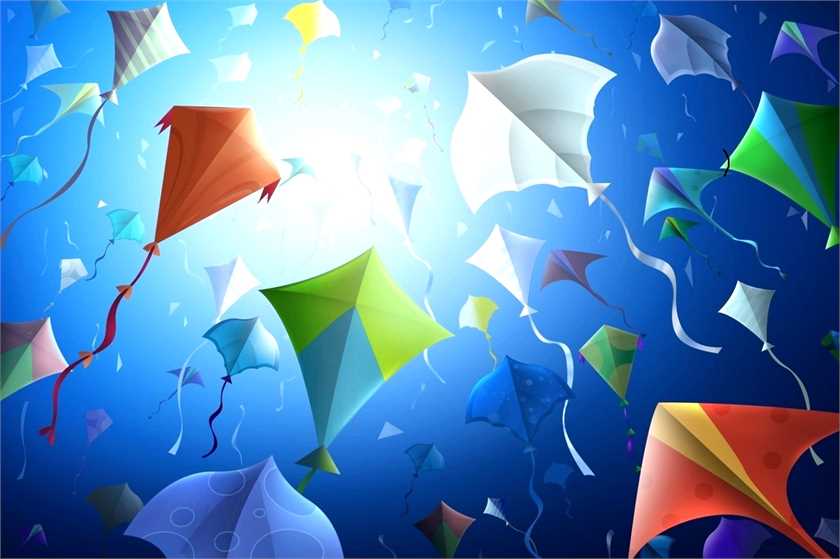
From flying kites to home-made sweets, tis the season for a happy indulgence.
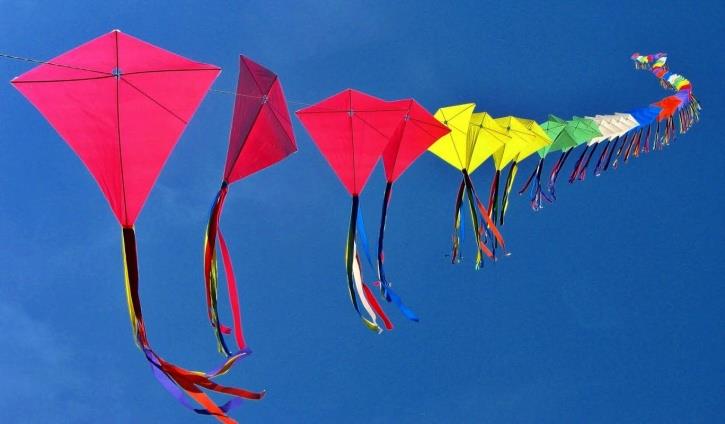
A festival that marks the harvest season in India, Makar Sankranti is the first Indian festival as per the English calendar and one of the most traditional festivals of India.
Makar Sankranti is often closely associated with ‘sesame based sweets’ and ‘flying kites’. But that’s not it, there’s more to this festival. Here are some interesting facts
‘Sankranti’ symbolises transition, a transition of the sun from one zodiac sign to another. Since the festival falls in a period when the sun moves to ‘Makar’ (Capricorn zodiac sign), the festival is termed as ‘Makar Sankranti’.
That said, the festival is known by various names across India - it is known by ‘Uttarayan’ in Gujarat, ‘Pongal’ in Tamil Nadu, ‘Sakraat’ in Delhi, ‘Sankrat’ in Rajasthan, ‘Maghi’ in Punjab, ‘Poush Sankranti’ in Bengal and ‘Khichdi’ in UP and Bihar.
Unlike other Indian festivals that follow the position of the moon, Makar Sankranti is the only festival that follows the solar calendar. Hence, it falls on 14th of January every year.
This one is an interesting science based trivia. Since the festival falls on the equinox (an event when the plane of Earth's equator passes through the center of the Sun), day and night are uniform in length.
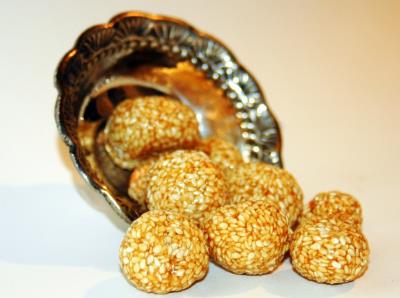
The beginning of the new harvest season is celebrated with fresh produce of the season - jaggery and til being the most common. Til and jaggery are also an instant source of energy and help to keep the body warm in winters.
Til and jaggery based sweets are also distributed with a greeting that sets off a sweet gesture ‘Tilgul ghya aani godd godd bola’ (translates to have tilgul and speak sweet words).
Significance of flying kites
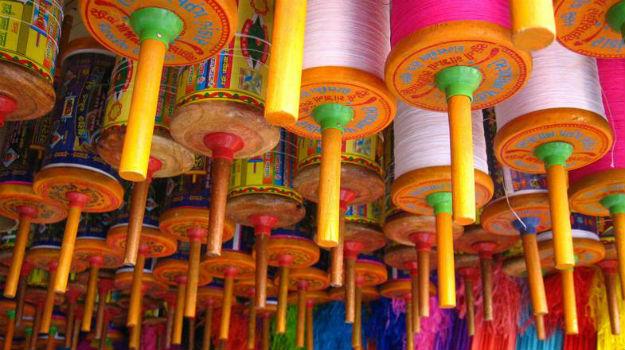
There is another interesting trivia attached to flying kites. In the olden days, kite-flying was predominantly an early morning activity. Early morning sun was considered beneficial for overall health and well-being of the human body. Since winter is considered a season for infections, basking in the early morning sun was believed to naturally ward the bacteria off the human body.
Makar Sankranti is also considered a milestone for initiation of annual fairs and pilgrimages across the nation. The festival is all about forgetting the past moments and marking new beckoning of hope, happiness and love.

25 Opinions


