

Genetic counseling is the consultation of a specialized expert regarding the risks of genetic predisposition to a clinical condition or the passing on of a heritable disorder to an unborn child.
Genetic counseling can help expecting parents or family members acquire knowledge regarding the clinical manifestation of potential genetic abnormalities in the fetus and thereby guide their decision towards undertaking relevant therapy for treating the associated medical conditions.
With the objective to identify functional anomalies and deficits in the embryo prior to birth, trained personnel with an expertise in the domain have been consulted worldwide seeking the correct direction towards treatment.
Through the years of its inception, the concept of genetic counseling has gathered more significance in the sense, there has been a marked increase in the scope of its applications.
From establishing pedigree patterns which represent the expected pattern of inheritance of genetic characters from one generation to the next, to creating awareness regarding the risks of developing a genetic disorder and its clinical implication, a genetic counselor can influence important decisions in pregnancy and family planning.
Besides, genetic counselors are responsible for contributing to administrative decision-making strategies, implementing regulations and guidelines or working for the biotechnology sector to address all possibilities in being associated with this specialization.
• Examination of the risks of a history of clinical conditions in the family
• Performing genetic testing to identify genes of heritable disorders from the blood samples or body tissues of couples or babies, and draw inferences from these observations.
• Educating the parents or family regarding the expected risks of disorders and guide them to take decisions in undertaking appropriate treatment.

With the increasing incidence of birth defects in newborns, the most common being cleft palate and clubfoot, most of the couples are recommended to see a genetic counselor before planning to start a family. Following pregnancy also, however, genetic counseling can be promising in advising appropriate genetic testing for the risk of a specific disorder the expecting parents could be worried about. Knowing its clinical relevance, genetic counseling should be made mandatory for expecting mothers to screen the embryo which can determine risk factors for Down’s syndrome.
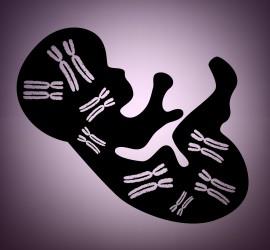
• When abnormal results are generated on performing a prenatal genetic test
• When chromosomal aberration is observed in the results of amniocentesis
• When there is a family history of an inherited disease
• When the expecting parents already have a child with genetic abnormalities
• When the expecting mother has a previous record of miscarriage or stillborn child
• When the expecting mother is 35 years or above at conception as the biological risks of having a child with Down’s syndrome increases with the mother’s age
• When the parents are concerned about certain genetic anomalies observed with specific ethnicity groups
• When either parent is concerned about the exposure of the fetus to radiation, harmful chemicals or drugs

A genetic counselor can guide the parents further once the reports of various medical records, family history of diseases, previous failed pregnancies and results of prenatal genetic screening have been analyzed accurately. Helping to establish the possible pattern of inheritance of a genetic disorder and thereby, the genetic counselor can explain the chances of one’s own child having the disease.
The counselor will make one aware of the problems encountered in a normal pregnancy and help identify its difference with other specific risks for genetic diseases to a couple in particular. There will be some physiological symptoms of genetic disorders as well which cannot be predicted by genetic diagnosis or testing depending on the extent of severity of the resulting clinical condition.
In some cases, genetic counselors can themselves guide the parents with paperwork and arrange for appointments to perform specific diagnostic tests to confirm the physiological symptoms of an expected genetic aberration. The genetic counselor can lead the parents to a point where they could address various possibilities to face their medical emergency but the final decision rests at the disposal of the parents themselves.
• Perform preimplantation genetic diagnosis using embryos produced by In Vitro fertilization, to screen for genetic abnormalities prior to implantation facilitating selection of healthy embryos
• Use of donor sperm and eggs for conception
• Bear the risk of giving birth and perform specific prenatal genetic testing
• Preparing the parents of the expected challenges to be addressed after the birth of the child with the expected defects
• Perform surgery to correct the fetal abnormalities before birth
• Terminate the pregnancy

The news of genetic disorders in babies is still difficult to accept for many parents and family members. In situations as this, genetic counselors can come to the rescue by suggesting a possible line of action specific to the situation for a particular family.
They can guide the expecting parents and family members to communicate with specialized doctors, therapists or health professionals to establish the strength in them to face the expected challenges they are about to encounter.
Genetic counselors can not only help keep people well-informed about the potential risks of genetic disorders to which their babies may be subjected and equally efficient in reassuring them towards various options to counter these challenges.


 Share
Share


