

Have a Biology exam? Lying in bed with the flu and wondering what made you so sick? Or are you just curious to know about the difference between virus and bacteria? While virus and bacteria can make you sick in similar ways, they are quite different from each other.
Learning about them can help you get a better understanding of the biology that’s going on inside of you! You can tell the difference between virus and bacteria not only by learning the basics but also by examining them under a microscope. This way you will learn more about their functions.
So what differentiates virus from bacteria. Let’s find out!
#1. Ribosomes
The ribosome is a complex molecular machine, found within all living cells, that serves as the site of biological protein synthesis. Ribosomes are present in bacteria whereas they are absent in viruses.

(Image Courtesy: Byju)
#2. Cell Wall
The cell wall in bacteria is Peptidoglycan/Lipopolysaccharide. On the contrary, viruses do not have any cell wall. Instead, they have a protein coat present.

(Image Courtesy: Byju)
#3. Definition
According to Wikipedia, Bacteria constitute a large domain of prokaryotic microorganisms. Typically a few micrometers in length, bacteria have a number of shapes, ranging from spheres to rods and spirals. While a virus is a small infectious agent that replicates only inside the living cells of other organisms.
#4. Living Attributes
Bacteria are a living organism. There are differing opinions on whether viruses are living organisms or do they interact with living organisms.
#5. Number Of Cells
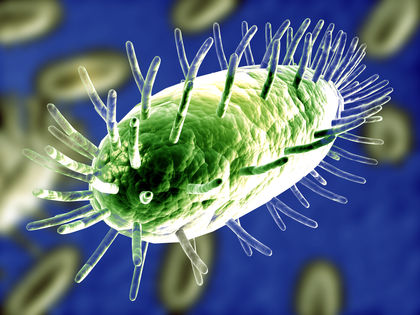
Bacteria are unicellular while viruses have no cells.
#6.Structures
In bacteria, the DNA and RNA are freely floating in Cytoplasm. It has a cell wall and a cell membrane. While in viruses, the DNA and RNA is enclosed inside a coat of protein.
#7. Reproduction
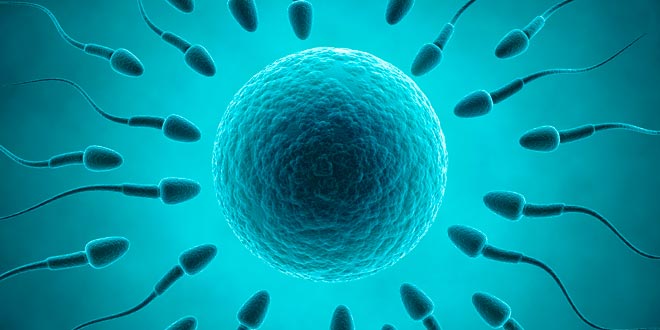
Bacteria reproduce through Fission; a type of asexual reproduction. While viruses invade a host cell and take over it. They destroy the cell and release new viruses.
(Image Courtesy: Diffen)
#8. Treatment
Bacteria are treated by use of antibiotics. For treating viruses, there are vaccines that prevent the spreading of the virus and help to slow the reproduction. But these vaccines cannot completely stop the reproduction.
#9. Infection
The infection caused by bacteria is localized. This means it does not spread any further. While the infection from viruses is systemic, it spreads and multiplies at a greater rate.
(Image Courtesy: Human Disease)
#10. Size
The size of bacteria is larger as compared to viruses. The bacterium measures 1000nm whereas virus measures between 20 - 400nm.
#11. Benefits
Some bacteria are beneficial, like the ones found in probiotic drinks and yogurts. But not all of them are beneficial. Viruses are not beneficial. However, there are cases where viruses have helped in destroying brain tumor cells.
This sums up the differences between bacteria and viruses. Even though they may seem similar but they are very different from each other. This should help you clear your doubts about which is a good bacteria or a bad virus. Let us know in the comment section below what you think of this.
(Featured Image Courtesy: Difference Between)

41 Opinions

10 Opinions

8 Opinions

 Share
Share


