We all evolve over a period of time and it's not just the humans but other beings go through this process of natural selection as well. It is through genetic changes that a being adapts to its environment.
Natural selection assures that only those who are fit enough to make it actually move forward in the cycle of evolution. There is so much scientific evidence in favor of natural selection that is pointless arguing against it
Natural Selection Theory
The term 'Natural selection' originated from Charles Darwin, and it basically can be coined up in a statement ‘survival of the fittest.' The broader definition of the term natural selection would be the natural evolution of a species over time. This process assures that only gene that helps a species adapt, survives. Charles Darwin did many types of research, and his findings are the basis on which the modern concept of evolution is based on.

(Image courtesy: BBC)
What Is Natural Selection?
The process of natural selection is slow and gradual. In the process, a particular population will start to show genetic traits that would best help them to suit and thrive in a particular environment. These traits will develop over many generations and can range from physical ones such as structural traits, or it can be musculature traits that help it thrive in a particular setting. These traits can also be physiological such as developing enzymes that can contribute to breaking down available food in the digestive tract.
Some Examples Of Natural Selection
#1. Skeletal Adaptations
Certain species adapt to their environment by making genetic changes to their skeletons. These beings include mammals such as Giraffe and reptiles such as lizards. In this form of natural selection, the members of the population who did not develop those changes died out. Giraffes developed a very long neck primarily because it helps them to reach for food that is higher up in trees whereas those giraffes that were unable to develop such a long neck died out. Similarly, certain species of lizards developed longer leg bones to be able to climb to escape from predators or to climb to higher ground in dire circumstances.
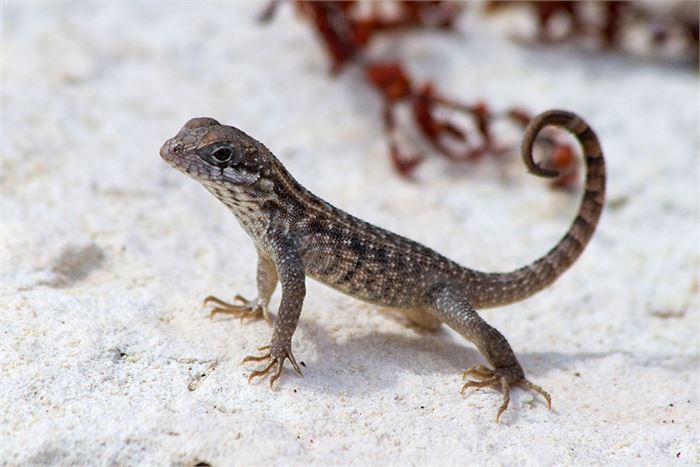
(Image Courtesy: Island Conservation)
#2. Color adaptation
Several species have adapted to their environment by being able to change their color. After this optimal coloration was prominent is species, the members who had no adaptive coloring started to die out rapidly and were unable to reproduce. The peacock, the deer mouse, and the peppered moth are some of the examples of this sort of natural selection.
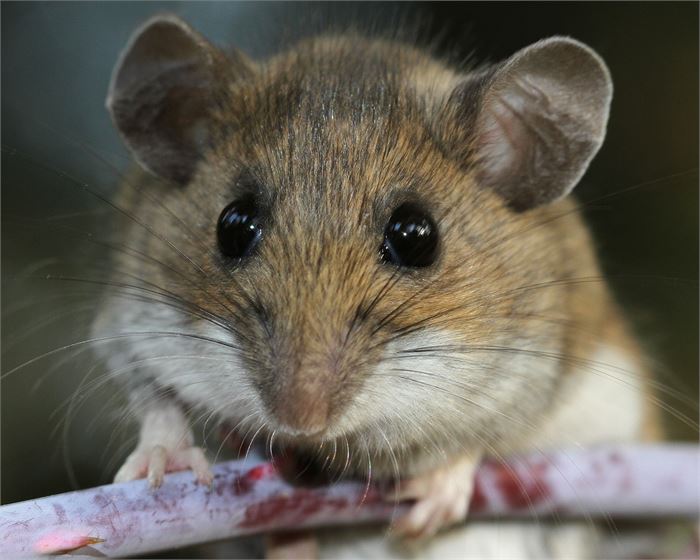
(Image Courtesy: Animalia Life)
#3. Bacteria
The most common subject that is studied while researching evolution and adaptation are bacteria. This is because bacteria is that rare organism that can produce several generations in one day. This is extremely helpful for researchers to see a version of evolution that is so quick. Under observation, the researchers discovered that certain bacteria adapted to new food sources that were previously completely unusable. The bacteria not only adapted to deadly antibiotics but were also able to reproduce and the new batch of bacteria that sprung after reproduction was resilient to all bacteria.
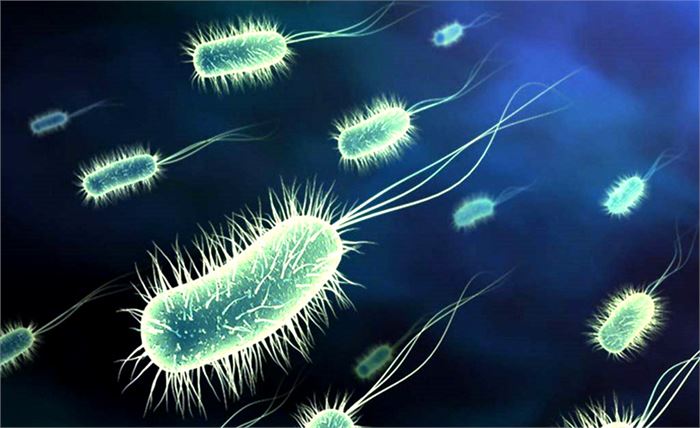
(Image Courtesy: Arrayit Corporation)
#4. Physiological
All species go through several types of change to be able to adapt to different environments, and one of them is humans. A very common example of physiological change is the ability of human beings to be able to digest milk. The regions where cattle are not raised, humans lack the necessary enzymes to digest milk. Though, the places where cows are raised, humans easily digest the milk.
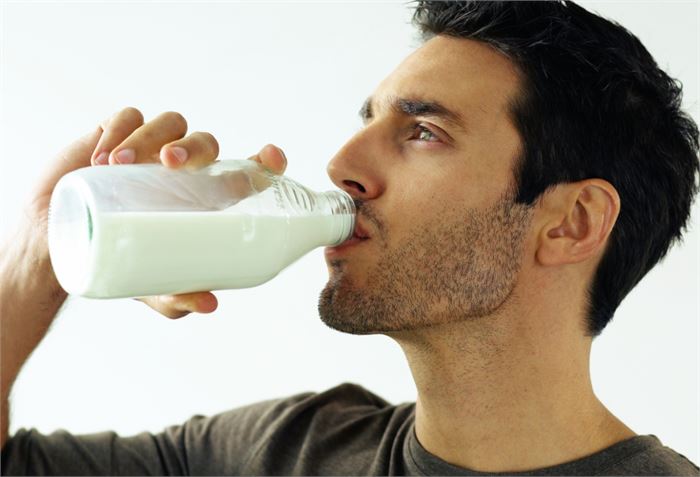
(Image Courtesy: HowStuffWorks)
Tell us your views on natural selection? Share your feedback using the comment box below.

4 Opinions

 Share
Share


![Body Language: From Common Signs to Spotting Lies [Infographic]](https://askopinion.com/images/Files/UserFiles/posting/mdm/2018/3/body-language-sgj.jpg)