
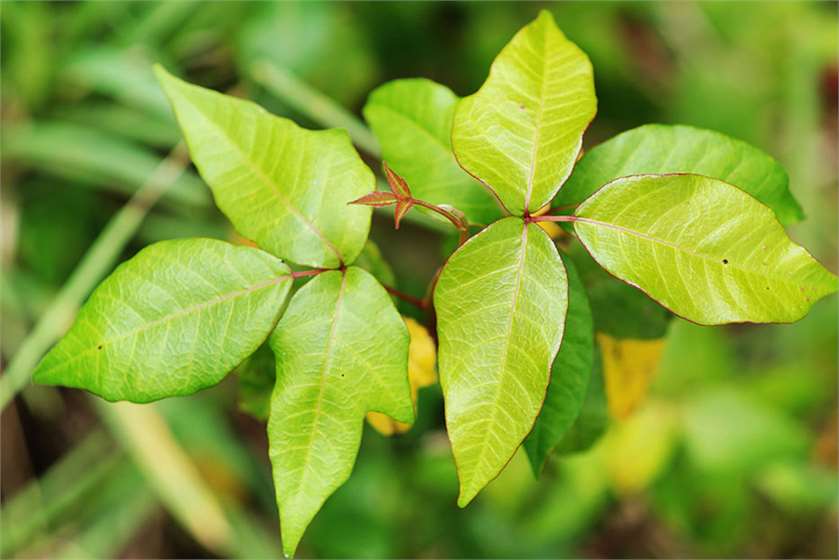
Poison Ivy is perhaps the most infamous name in the plant kingdom. Being dangerous is not a term that is generally associated with plants, but this one is an exception.
There is an old rhyme that goes as leaves of three, and it was made for this particular plant poison ivy whose scientific names are Rhus radicans or Toxicodendron radicans.
Poison Ivy
A young poison ivy plant has reddish leaves. Such young plants are barely off the ground though the oil that they produce can rub off on your clothes and your shoes. The oil can then get transferred from the clothing to your skin. In case you ever come in contact with the plant, be extremely careful about not touching your clothes and removing them carefully. Take a bath or clean that area afterward as leaves are the most toxic part of the plant and contact with any part of the plant can cause an allergic reaction.

(Image Courtesy: Poison Net)
What Does Poison Ivy Look Like?
A mature poison ivy plant is green in color and is about two feet high from the ground. Poison Ivy grows in masses and takes over entire areas and end up becoming the dominant plant of that particular region.
The name and the associated traits make one think of it as a dangerous thing which is not entirely wrong. Though, the fact that this poisonous plant produces flowers can be startling for some. Yes, this deadly weed blooms just like any other plant but the blossoms are in a way beautiful. The plant even in full bloom does not make for an attractive image. The flowers produced are small and not very special in any way. They rather give the plant an altogether unremarkable look. The blossoms are so small in size that maybe a cluster would catch your attention but an individual one will surely escape your notice.
As if the blooms did not suffice, the plant also grows berries which are very toxic. Moreover, the color of its mature berries is another trait of Poison Ivy that makes it stand out. Late summer or just before the beginning of fall, these blooms ripen and turn from pale green to a whitish color.
(Image Courtesy: YouTube)
Remedies After Coming In Contact With Poison Ivy
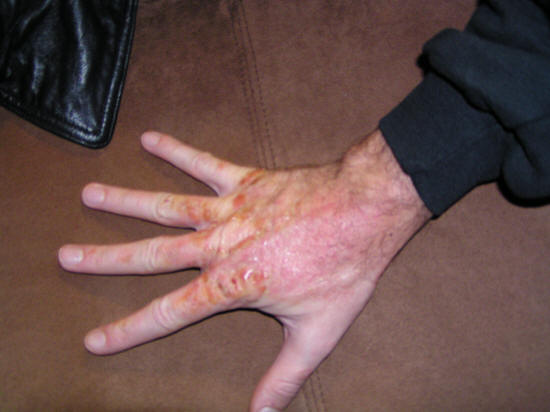
Such a name calls poison Ivy for a reason, and your outdoor trip can seriously turn bad if you are unfortunate enough to come in contact with one. In case the poisonous plant has rubbed off on your body then take the necessary steps :
As soon as you can, wash yourself and your clothes to rinse off the toxicity of the plant. This may help you remove some of the oil that you came in contact with and lessen the effect of the reaction.
Over-the-counter antihistamine is good to relieve you of itching and should be applied on the affected area.

(Image Courtesy: Health Line)
Take frequent warm water bath to soothe your skin and apply drying lotion such as calamine lotion or hydrocortisone cream.
Any sort of poisoning should be immediately tackled with to lessen its impact. Do share your views on the article using the comment box below.
(Featured Image Courtesy: Rodale's Ivy Life)

 Share
Share


