
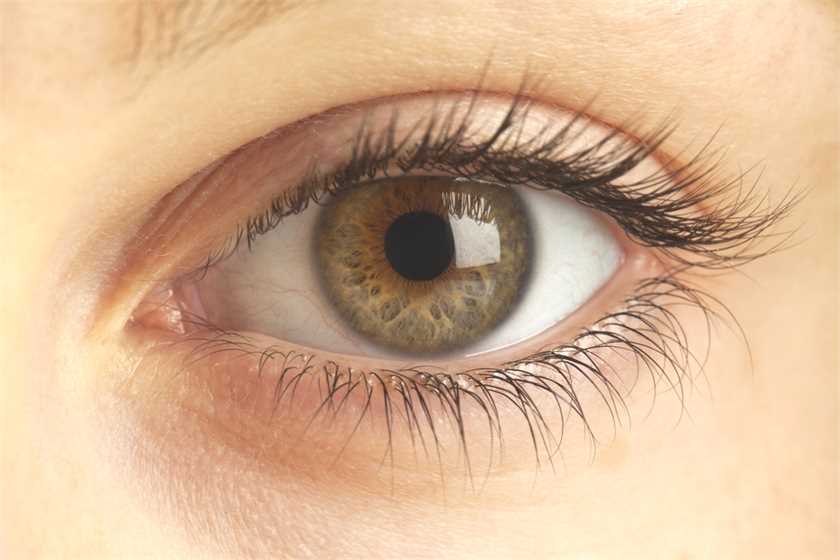
Color blindness or color vision deficiency is reduced ability to differentiate between color.
Some of the tasks that can be difficult for the person suffering from color blindness include buying of fruits, picking clothes and most important reading of traffic lights will be more challenging. People who have complete color blindness suffer from decreased visual acuity and are uncomfortable in the bright environments.
Causes: The color blindness is mostly caused due to abnormal photopigments. These pigments are located in color sensing cells called cones. In the human being, there are several genes required by the body to make these photopigments and any defects in these cells results in color blindness. Males are more prone to suffer from color blindness compared to females as the X chromosome is mostly responsible for developing the color blindness and males have only one X chromosome.
In females there are two X chromosomes, thus the defect in one of the X chromosome is compensated by the other gene. Color blindness is resultant of physical and chemical damage to eye, optic nerve or any part of the brain.
Types of Color Blindness: The three main kinds of color blindness that are based on photopigment defects affecting three different cone cells and respond to red, blue, and green light. The most common type of color blindness is red-green color, followed by blue-yellow color. However, complete blindness is very rare.


 Share
Share


Yes, but if not treated can lead to complete blindness.