

Scabies is basically a skin infection that makes your skin itchy and spreads at a rapid pace. This infection is caused by a tiny almost microscopic mite, known as Sarcoptes scabiei, that can live on your skin for months. They bury into the skin and lay their eggs hence reproducing to keep growing in numbers and make the infection a case of severe scabies.
There are approximately 130 million cases of scabies in the world. What makes the disease even more dangerous is the fact that it is highly contagious and can be passed quite easily through direct skin contact. The spread of this disease is not only through the skin but also through clothes and bedding.

(Image Courtesy: Dr. Scabbies)
Symptoms of Scabies
The symptom of scabies takes time to surface, and at times the first symptom can appear after 6 weeks of exposure. If a person has contracted the infection earlier, there are chances that the symptoms can appear faster.
The most common symptom of scabies includes rash and intense itching. As a matter of fact, the itching gets way worse during night time. Scratching the infected area to soothe the itch can create sores that become infected. Scabies can appear on your wrist, elbow, armpit, chest, waist, genitals and the area between fingers. While babies and elderly can have the infection on their head, face, neck, hands, and soles of the feet. The rash in both cases can take the shape of a pimple like a bump or tiny hives or bite mark. Even the burrowed line that the mite creates to lay their eggs is at times visible in the form of tiny raised lines on the skin surface.
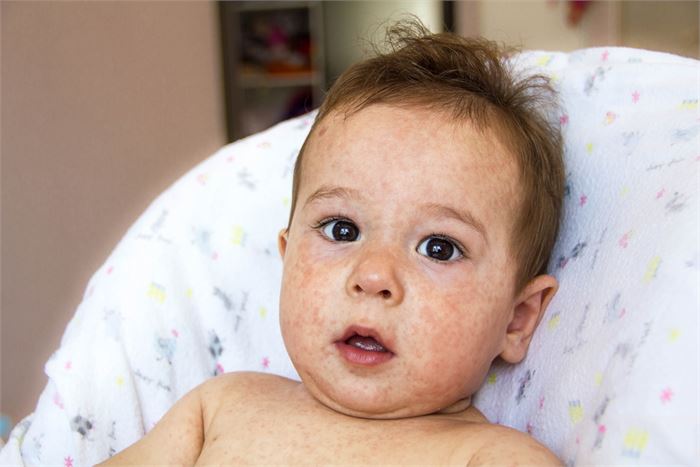
(Image Courtesy: Dr. Scabies)
Highly Contagious
Scabies is a highly contagious disease which can spread among people through prolonged skin contact, indulging in sexual intercourse or by sharing clothes, bedding, and toiletries that have been used by someone who is infiected by this mite.

(Image Courtesy: Pharmacie Centrale Monthelry)
Diagnosis Of The Skin Infection
The disease is diagnosed by the doctor through a simple physical examination and thoroughly checking the infected area. The doctor will confirm the diagnosis by removing a mite from the skin with a needle or in some cases scarping of some skin to obtain a tissue sample, which is later examined under a microscope to confirm the presence of scabies.

(Image Courtesy: Vrip Master)
Treatment
The treatment of scabies generally requires the application of ointments, creams, and lotions which are applied on the infected area. The medicine is generally applied at night as scabies are more active during the night as compared to the day. The ointment is applied all over the skin from the neck down and is washed off the next day. In some cases, the doctor might also prescribe certain medicines that can relieve you of the bothersome symptoms of scabies.

(Image Courtesy: Blogspot)
Do you know of any such skin infections that are highly contagious? Share your feedback using the comment box below.
(Featured Image Courtesy: LetHow)

 Share
Share


