

Diarrhea is a punishment that your body goes through because of its overindulgence in greasy and unhealthy food. This undigested food comes out of the body in the form of loose or watery stool. Usually, your stool comes back to its original form in a few days, but for some unlucky chaps, the watery stool stays for a little longer.
Because diarrhea is directly related to what you eat (and then poop out), food becomes an important area of concern. While dealing with diarrhea, it is necessary that you pick the food items that slow down the process. Do not immediately stop eating altogether but rather eat food that stops diarrhea and makes up for a healthy diet as well.
Go through this list of food items that will answer the question of what to eat when you have diarrhea for once and for all.
Best Diet When You Have Diarrhea
Having diarrhea occasionally is not much of a concern. It is usually a result of stomach flu or due to consumption of a meal that your body couldn’t digest. While suffering from a diarrhea bout it is recommended that you eat plain and simple food at least for the initial 24 hours. Doctors suggest eating bland food that is thicker, like oatmeal, bananas, plain rice, and applesauce.
For a fast recovery, it is important that you focus on eating food that stops diarrhea. Here’s a doctor prescribed list of food items that should be consumed when you have Diarrhea.
• Cereals like cream of wheat or farina(cooked)
Hot breakfast cereals are comforting and a good choice. You can eat cornflakes or oat meals. They have fiber which will help your stool to regain its lost consistency.
• Boiled or mashed potatoes
Potatoes are high in potassium. Avoid eating the skin when you have diarrhea. Peel them and toss them in some salt and little oil or butter. Avoid using too much butter, margarine, sour cream, or gravy.
• White rice
Plain white rice is rich in carbohydrates and gets easily digested. Because of its binding qualities, rice helps in firming up your stool.
• Bananas
Bananas are bland and easily digestive. High level of potassium makes them an easy replacement of electrolytes. They are rich in proteins and fibers as well.

(Image Courtesy: New Health Advisor)
In addition to suggesting the right diet to be taken when you have diarrhea, we would also like to bring your notice to food that should be avoided when you pass out that watery poop. These foods can trigger your digestive system, prolonging diarrhea.
• Milk and dairy products
• Fried and greasy food
• Spicy food
• Processed foods
• Pork and veal
• Sardines
• Raw vegetables
• Onions
• Corn
• Citrus fruits
• Alcohol
• Caffeinated or carbonated drinks
• Artificial sweeteners
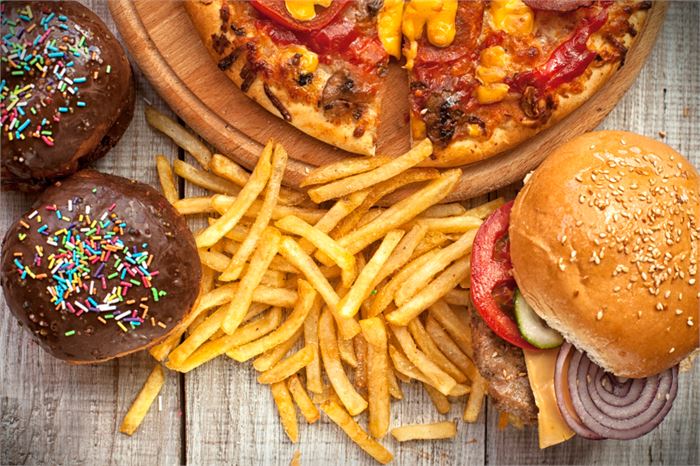
(Image Courtesy: Cleveland Clinic Health Essentials)
Diarrhea may not be a chronic disease but hits the belly hard. Constant pooping and vomiting can lead to headaches and weakness. While you take the right diet, follow certain tips to relieve your diarrhea ridden body.
• Keep yourself hydrated. Excessive vomits, and watery stool will reduce the water content in your body; therefore drinking at least 8 to 10 glasses of clear fluids (water) will help you recover sooner. You can also enjoy chicken broth, coconut water, apple sauce and decaffeinated tea.
• Compensate for every loose bowel movement with a cup (240 ml) of clear liquid.
• Instead of 3 big meals, depend on smaller meals throughout the day.
• Include salty foods like pretzels, soup, and sports drinks in your meals.
• Make sure your meals include high potassium foods like bananas, potatoes, and fruit juices.
• If prescribed by the doctor, take a fiber supplement, such as Metamucil. It will add bulk to your stools.

(Image Courtesy: revistatango.ro)
If your recovery is too slow or you feel that the signs of recovery are almost invisible, it is better to consult a doctor. Call your doctor if you have:
• Stools with an unusual color or odor
• Nausea or vomiting
• Blood or mucus in your stool
• A persistent fever
• Stomach pain
You need to reach for a medical health provider if diarrhea gets worse or is not getting any better in 2 days, in the case of an infant or child and 5 days in the event of adults.
Did you find the article helpful? Let us know in the comment section below.

 Share
Share


