
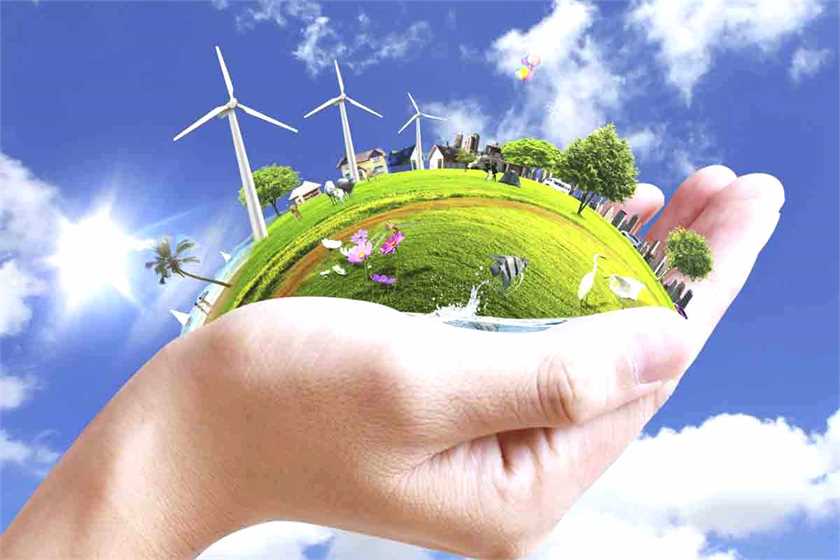
India is known for its varied and fertile land, a land of diverse geography rich in natural resources. Natural resources that drive the nation's economy.
For the rapid development of the economy, optimum capacity utilisation of natural resources is important. We’ll try to have a look at the variety of resources found in the country, and whether they are utilised in an optimum, yet sustainable manner in India.
One of the most important natural resources, water can be classified into 4 categories for a better understanding of consumption i.e. sea water, ground water, surface water, rainwater.
With a long coastline of nearly 7500 km, India has ample access to sea water for fishing, trade and transport with 12 major ports and more than 250 smaller ports. Fishing is a prime occupation and source of livelihood for more than 1.5 crore people across the coasts of India.
Nearly 1/3rd of the total extracted ground water is used in domestic households, agricultural activities, industries and power generation. However, in certain areas, the ground water table has depleted considerably because the regeneration of the water table is much slower than the rate at which it is drawn.
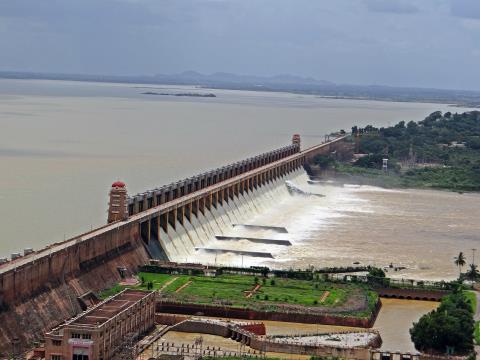
Rivers, lakes and ponds make up the surface water in India and they’re either replenished by rains or these water bodies are perennial in nature. Most of the perennial rivers in India originate in the Himalayas and there have been huge hydel projects built on these rivers. The northern plains of India have a network of canals. The states towards the southern rely heavily on monsoons and the interiors of these states are often affected by droughts.
Thanks to the diverse geography, India has a diverse forest i.e. Tropical, Coastal Mangroves, Swamps and Alpine. Forests are a prime source for medicinal herbs, paper, resins, spices and food products, essential oils and other raw materials for industries. Forests are imperative for prevention of soil erosion and regulation of the monsoon cycle in India.

Growing population, development, growing fuel requirement and over-dependence for raw materials are warning signs for forests. In spite of contributing significantly to the country’s GDP, forest resources are highly regulated in India keeping in mind their ecological impact.
India extracts nearly 84 minerals, the annual value of which is close to ₹50,000 crores. Mining is responsible for about 10% of the world’s energy consumption.
The mineral resources of India can be classified into two categories:
Metallic minerals:
India is rich in mineral deposits of Iron ore, Zinc, Copper and Chromite. Also, there are substantial deposits of Manganese ore, Lead and Tin across India. Precious metals like Gold and Silver, which command a heavy demand in the domestic market are also found here in abundance. India also has deposits of Bauxite, which is used to produce Aluminum. India ranks 4th in reserves of Zinc in the world. It is one of the biggest copper producers, 3rd biggest exporter of Iron ore and 2nd biggest producer of Chromite in the world.
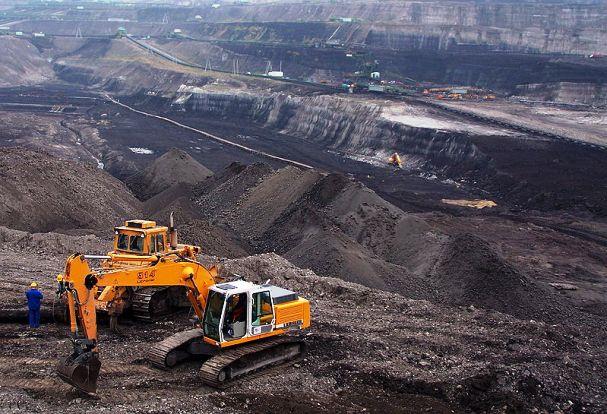
Generally, in the form of the sedimentary rocks, India has a wide variety of non-metallic minerals that have a variety of applications. Mining has created some of the largest environmental disaster zones in the world.
Non-renewable energy resources found like coal, oil and natural gas are found in India, whereas the country has also invested immensely in renewable energy resources like wind, solar and tidal energy.
Non-renewable resources:
Consumption of coal is made by the power sector of India. With the 5th largest reserves of coal, India has close to 300 billion metric tonnes of coal. India’s energy production from coal is twice of that from oil.
India ranks among the top producers of oil in the world and has reserves close to 750 million metric tonnes. And the GoI owns most of the reserves in this sector, under state-owned companies. Although, there are foreign companies that control a few oil fields, there are efforts being made to increase foreign investment in the oil energy sector. Mumbai High in the Arabian Sea and the country’s north-eastern oil fields contributes to the majority of oil production in India. However, there are oil explorations taking place offshore fields off the eastern coast and north-western parts of India.
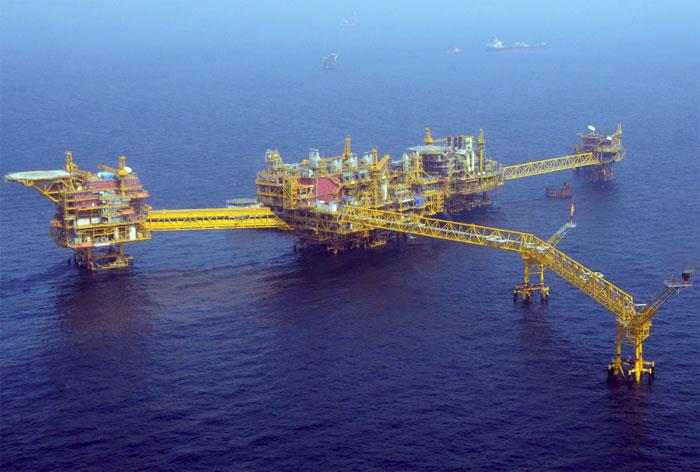
India has natural gas reserves to the extent of 1450 billion cubic metres. The offshore field, Mumbai High, has a lion’s share in contributing to India’s natural gas production. Natural gas is also produced in the Indian states of Assam, Andhra Pradesh and Gujarat. Like the Oil sector, a majority of the companies are state-owned. Although the government is encouraging foreign investment in this sector too, to meet energy needs of the country.
India has been the first country to As of April 2016, the renewable energy in India contributed to nearly 14.5% of the total Installed Grid Power Capacity in India, way ahead of hydel, gas, diesel and nuclear power. India is considered a major player in renewable energy generation.
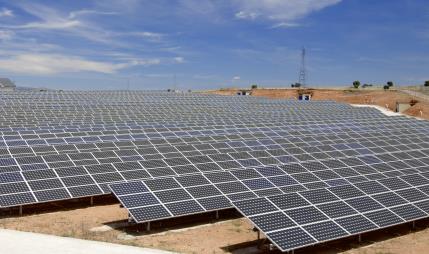
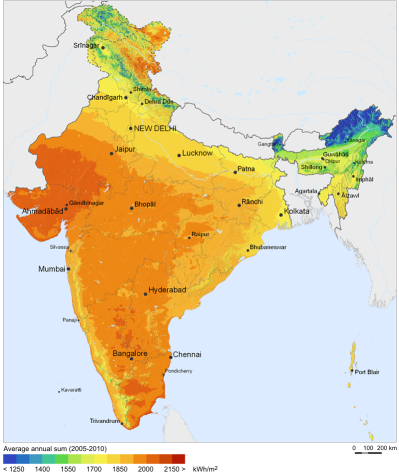
At COP21 summit in 2015, PM Modi launched a ‘solar alliance’ of 120 countries located in the tropics, aiming to harness solar energy and transport it to the world. India is looking at an initial investment of US$ 30m towards the project and intends to set up headquarters. This project is being touted as a 'game changer' in this sphere. India’s solar grid has an ever-increasing capacity of nearly 9000 megawatts.
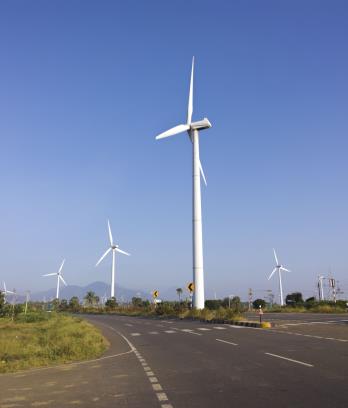
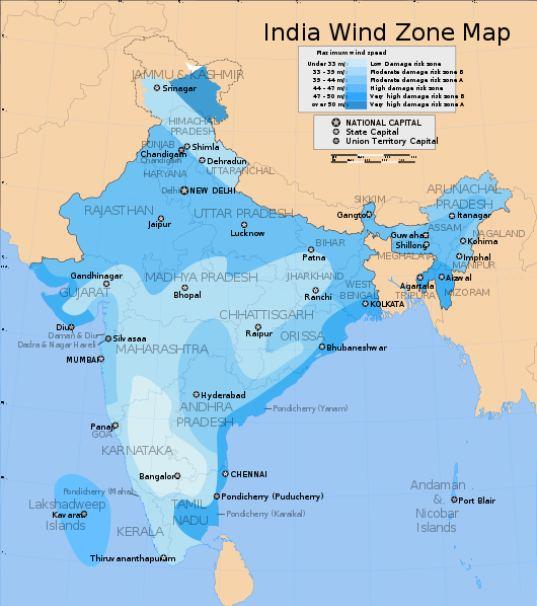
India has the 4th largest wind power capacity in the world, with a potential capacity of nearly 28,000 megawatts. Tamil Nadu, Maharashtra, Gujarat and Rajasthan are the major producers of wind energy in India. Out of the total grid power capacity, wind power contributes 8.6% and actually generated close to 2.5% of the total power generation in the year 2015-16.

157 Opinions

231 Opinions

 Share
Share


