

Cardiopulmonary resuscitation (CPR) is an emergency technique or a first aid treatment to save someone’s life in case of a heart attack or drowning wherein the person’s breathing, or heart beat stops. CPR helps in keeping the oxygenated blood flowing to the brain and other essential organs until any proper medical aid reaches and restore the normal heart rhythm. Stopping of heart beats even for a few minutes can lead to brain damage causing immediate (or 8-10 minutes later) death of the person.
CPR’s are not as fun as they are shown in movies, it needs professional training. And the process may differ when applied to adults, kids, and infants. The American Heart Association recommends that everyone who is untrained in giving CPR’s should stick to giving only chest compressions. At least you’ll be able to do something if not everything to save someone’s life.
There are different methods of giving CPR in the case of kids and adults, and one can learn them in the CPR classes. These classes are available online too.
STEPS TO GIVE A CPR
#1. Tap the child’s shoulder and ask if he’s fine. His response will determine if he needs help or not. In the case of an infant just flick the bottom of the feet to stimulate a response.

#2. Call or ask someone to call 911 for help. Kneel beside the child or the infant.
#3. Try opening the child’s airway. You can do it by tilting his head and lifting up his chin a little while he lies on his back.
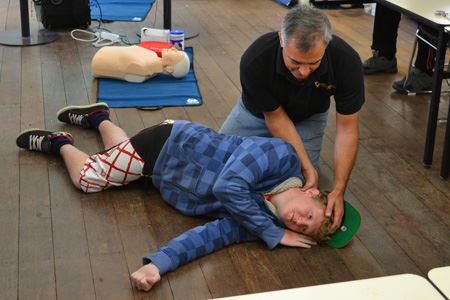
(Image Courtesy: first aid safety)
#4. Check for his breathing for a good 10 seconds. Occasional gaps would not count for breathing. Infants have periodic breathing, so a change in the patterns of breath is normal.
#5. In the case of kids, place the heel of one hand on his chest and the other on the top of the first hand. Tie up your fingers together to give at least 30 quick compressions. In the case of an infant use only two fingers to deliver the quick breaths.
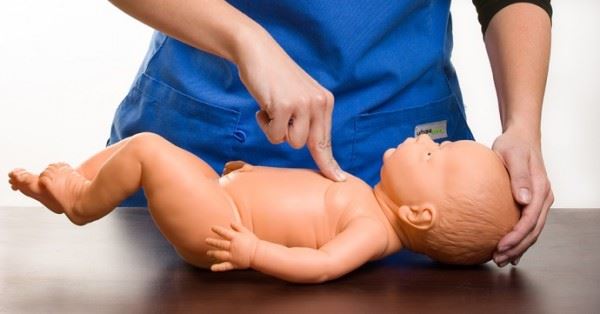
(Image Courtesy:101waysto survive)
#6. If the child isn’t breathing yet, then give him two rescue breaths. With his head tilted and chin lifted up, shut his nose and completely seal his mouth by placing yours over him and breathe into it twice. Keep going until he responds or regains his breathe.
#7. If he still isn’t responding, then wait for the medical help to reach you.
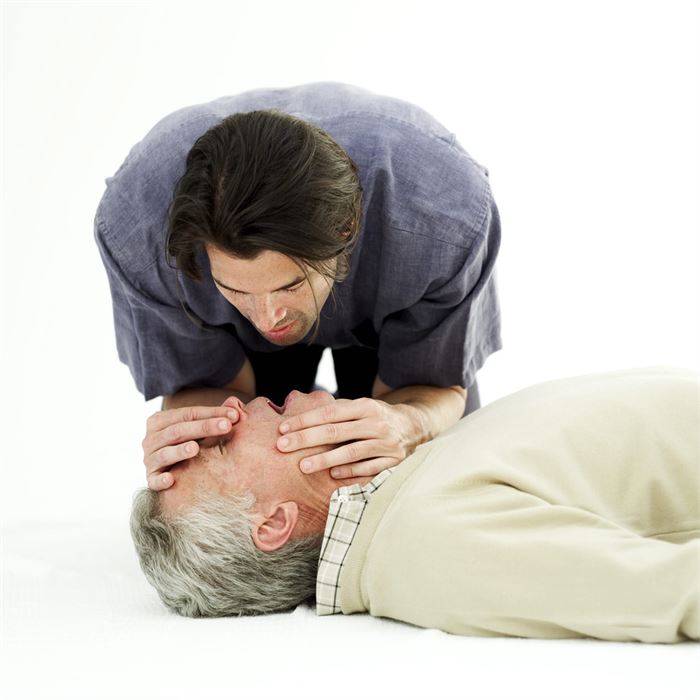
(Image Courtesy: port linkin training)
The procedure remains the same in the case of adults as well. Infants call for extra attention.
Have you ever saved someone’s life by giving them a CPR? Share your experience in the comment section below.
(Featured Image Courtesy: CNN)

11 Opinions

106 Opinions

 Share
Share


