
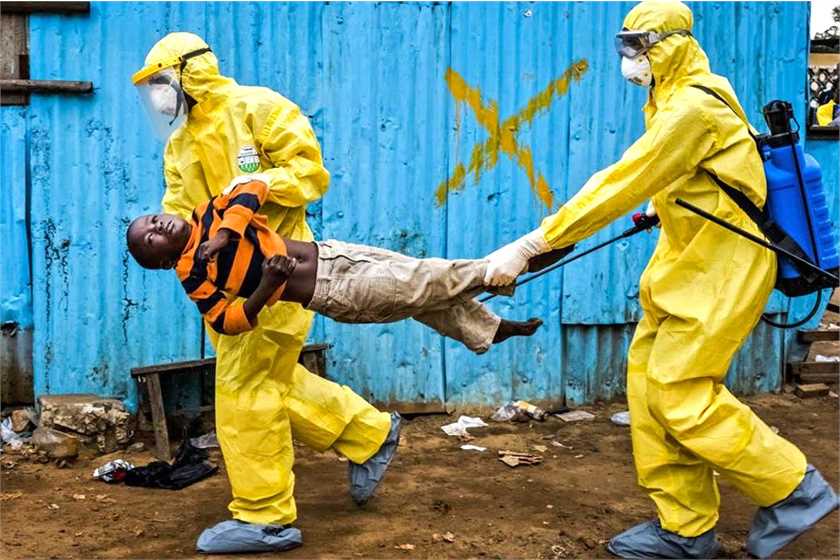
Ebola is a fatal global disease. It is a tragedy, at a rate at which EBOLA VIRUS is spreading in West Africa. Intensive education like formal and informal approaches of the citizens can help prevent the spread. In 1976, Ebola first emerged in Sudan and Zaire. The first flare-up of Ebola infected over 284 people, with a death rate of 53%. A few months later, the second Ebola virus becomes apparent from Yambuku, Zaire, Ebola-Zaire (EBOZ).
A mysterious and dangerous disease began silently spreading in a small village on 26 December 2013 but was not identified as Ebola until 21 March 2014. On 1 February, the virus was carried into the capital, Conakry, by an infected member of the boy's extended family. He died within four days at a hospital where, as doctors had never suspected Ebola, no measures were taken to protect staff and other patients. As the month progressed, cases spread to several villages and cities along the routes to these destinations.
• Ebola is a virus in the family Filoviridae and the genus Ebolavirus.
• Ebola virus disease is a rare infection caused by one of the five strains of the Ebola virus.
At first, Ebola symptoms seem like those of many other viruses the following are the symptoms of Ebola:
• A fever greater than 101.5 degrees Fahrenheit
• Muscle pain
• Neck pain
• Severe headache
• Weakness or lethargy
• Diarrhea
• Vomiting
• Abdominal pain
The common diagnosis includes the following:
• Virus isolation by cell culture Serum neutralization test
• Antigen-capture detection tests
• Electron microscopy Reverse transcriptase polymerase chain reaction RT-PCR assay
• Antibody-capture enzyme-linked immunosorbent assay test
• Practice careful hygiene.
• wash your hands with soap and water or an alcohol-based hand sanitizer
• avoid contact with blood and body fluids
• Do not handle items that may have come in contact with an infected person's blood or body fluids
• Avoid infected person's clothes, bedding, needles, medical equipment, urine, feces, saliva, sweat, urine, vomit, breast milk, semen, and vaginal fluids.
• Avoid funeral or burial rituals that require handling the body of the infected person died of Ebola.
• Avoid contact with bats, human, monkeys or blood, fluids, and raw meat prepared from these animals.
• Avoid facilities where Ebola patients are being treated. The U.S. embassy or consulate is often able to provide advice on facilities.
• Avoid contact with the semen from a man who has had Ebola until Ebola is gone from his semen.
• After patients return, monitor their health for 21 to 30 days and seek medical care immediately if they develop or show any symptoms of Ebola.
• Healthcare workers who are participating in Ebola treatment should follow these certain steps: Wear appropriate personal sterilized protective equipment such as gloves, mask, gown and other measures.
• Practice proper infection control and sterilization techniques. Isolate and care the patients with Ebola from other patients.
• Avoid direct or unprotected contact with the dead bodies of Ebola infected people inform or immediately report to health officials if people have had direct contact with the blood or body fluids with an infected person.
• Avoid feces, saliva, urine, vomit, and semen of a person who is affected by Ebola. The virus can enter the body through any openings, injury or unprotected mucous membranes in, for example, the eyes, nose, or mouth.
• The clinical phase I trial of a potential vaccine against the dreaded Ebola virus has been successfully completed at four partner sites in Africa and Europe. The tested vaccine 'rVSV-ZEBOV,' which induces persistent antibodies against the virus and this has been confirmed by researchers.


11 Opinions

106 Opinions

 Share
Share


