
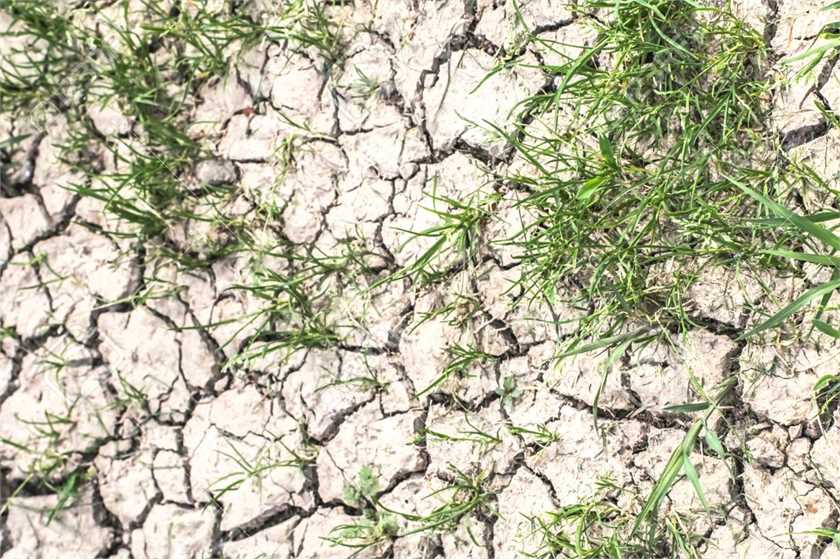
Erosion takes place when water and wind erode or wear down soil quicker than it can be restored.
Erosion eliminates nutrients from soil, is responsible for clogging rivers and waterways with filth and ultimately converts the area into a wasteland.
Even though erosion is a natural action, it gets worse with insipid human actions such as planting of crops that is unable to hold soil together, introduction of machines or livestock that annihilates plants and increases vulnerability of soil to landslides and deluges.
Soil erosion is responsible for the destruction of the fertility of agricultural land, thereby reducing production.
These are a few scientific ways to prevent soil erosion –
Planting of shrubs and grass: Water and wind, the two primary responsible factors of erosion easily sweeps away uncovered soil. Roots of plants hold the soil together and their leaves obstruct rain and prevent it from breaking apart the soil.
Addition of rocks or mulch: This enables the soil to weigh down and shields the planted seeds and bug from being washed away.
Usage of mulch matting to hold foliage on slants: Erosion control mats or fiber mulch mats are mulch deposits clutched together in a fiber mesh, which holds soil much better than normal mulch mats.
Usage of fiber logs: Use of rolled up logs or "wattles" prepared from fibrous objects such as straw is a good option of controlling soil erosion on vertical slopes. Water scuttling down the slope will hold back when it strikes the logs, saturating into the soil rather than carrying the mud downward. The logs should be placed across the slope, 3 to 8 meters apart and should be held them in place with wooden stakes or brawny plants.


157 Opinions

231 Opinions

 Share
Share


