
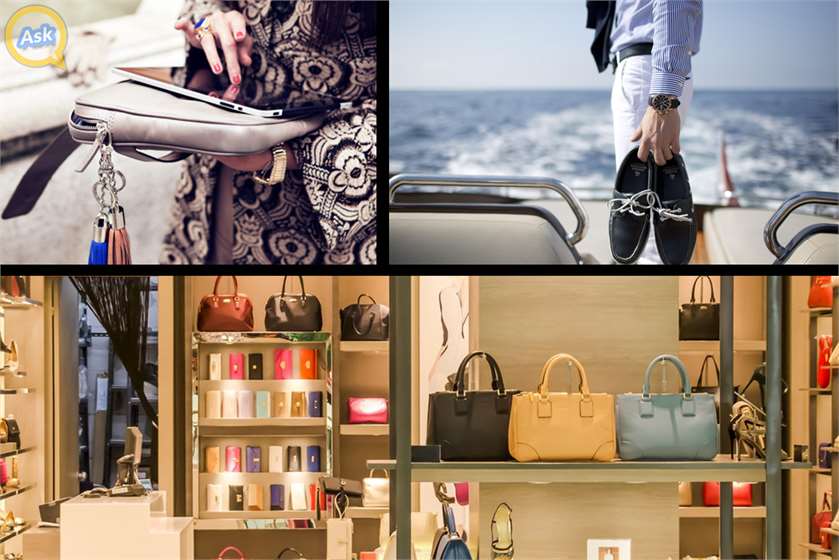
Have you too been gorging on that Versace gown or the Roberto Cavalli red heels, but can’t afford them? It’s an everyday story for most of us. But have you wondered why in this universe do these products cost us a fortune? Yes, the brand name matters. Bigger the brand, higher the price.
But is the brand name and the product quality the only reasons that make a product so expensive? There are other considerable reasons which contribute to the high pricing. Have a look!
#1. Quality
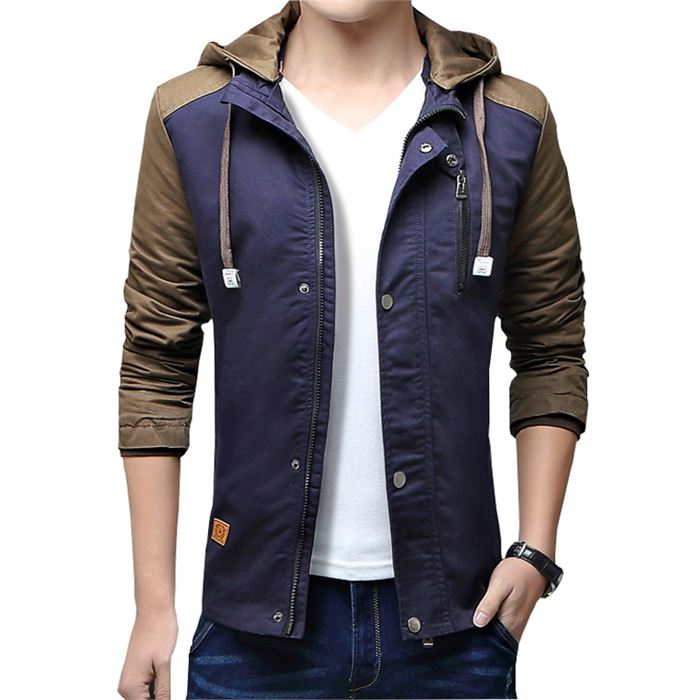
A designer merchandise speaks for its design, construction, the fabric, the trims (zippers, buttons), the stitching, the threads and the finishing techniques. All put in together creates one piece of complete awesomeness. Everything has a cost attached, which the customer will have to bear to attain the product.
(Image Courtesy: Cute Cheap Clothes)
#2. Production Place
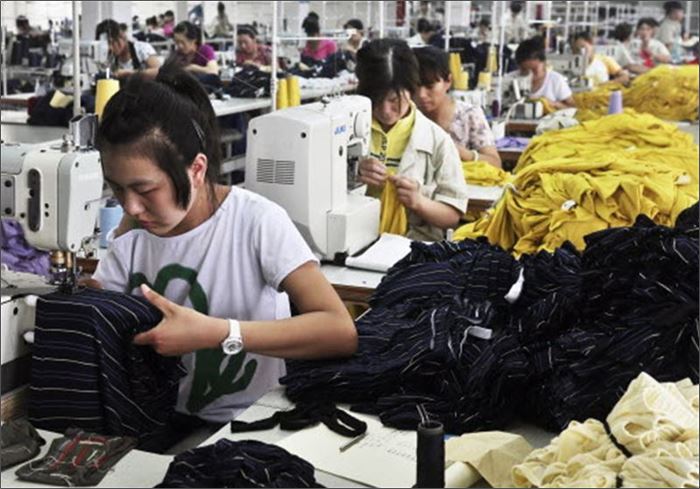
Not all apparels that you find in your nearby malls have been manufactured therein. A lot of them are produced in different states or countries and then transported to each store for sale.
If the merchandise is manufactured in Europe or the United States, where the cost of labor is too high, the cost of production increases automatically.
(Image Courtesy: Stefanie)
#3. Uniqueness
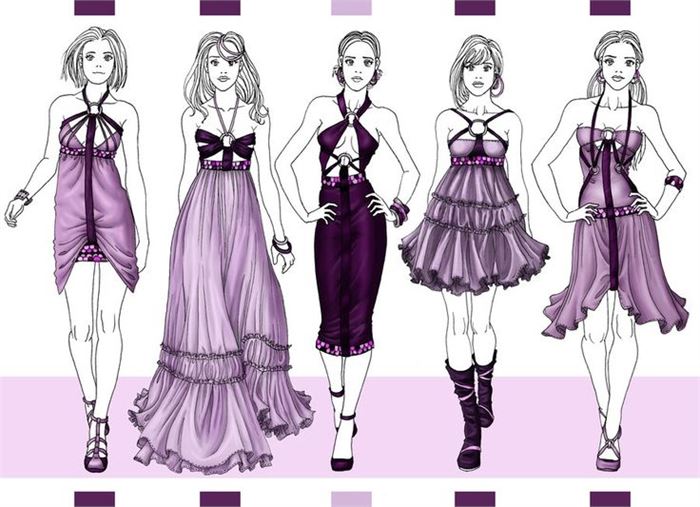
High brands are so expensive mostly because of the exclusiveness that they offer. Most of these pieces are customized as per the customer’s demands. Big designers usually develop their unique lines which have exquisite fabric choices, customized labels, packaging, cuts, and trims. It requires a team of talented artists who develop all these concepts and produce them. The customer pays for the time and the talent of the creative minds that goes behind the product.
(Image Courtesy: Hamasa Werd)
#4. Exclusivity
Branded products are unique in design and cuts as per the requirements of the client, but they are exclusive too. Some designers only produce one piece per design or at least do not opt for mass production, which makes them a limited edition piece. It not only increases the production cost but labels the product as exclusive, giving it a higher price.
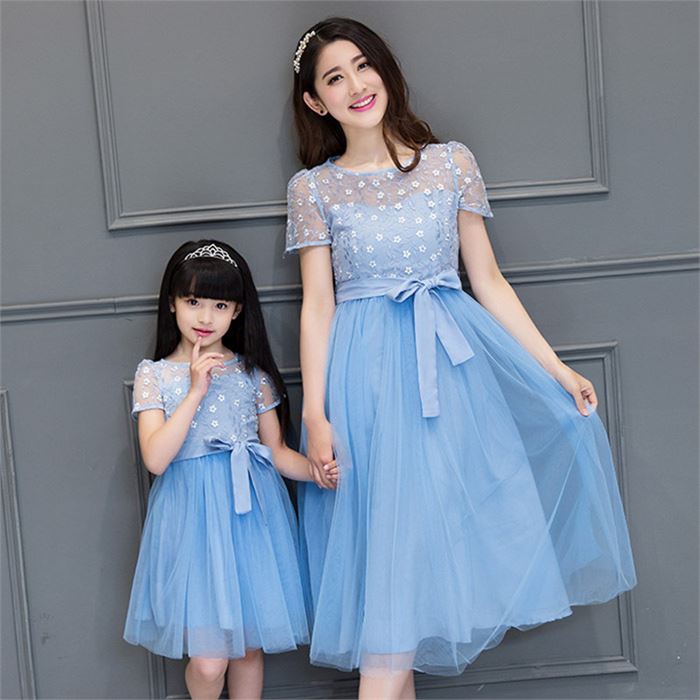
(Image Courtesy: Ali Express)
#5. The Business Model
All the high-end products are usually sold in established retail stores, which serve to a loyal clientele. All these brands have to divide their pricing markups into two: cost-to-wholesale and wholesale-to-retail. It is convenient for the designers to sell their products through such retailers instead of setting up an independent store, without a customer base.
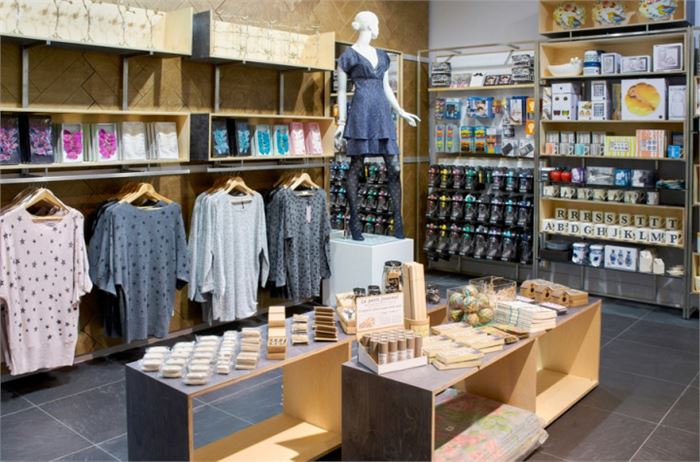
(Image Courtesy: Financial Juneteenth)
#6. Overheads
Yes, designer brands have loads of overhead costs. For running a high-end brand, one needs to hire the best in the industry and to do so one needs to pay them the best money. These brands usually have small teams, which mean lesser production, and higher costs.
Once the product is manufactured, it gets transported to the luxury retailers located in the posh areas of the cities for sale. The rents in these areas are just unimaginable.
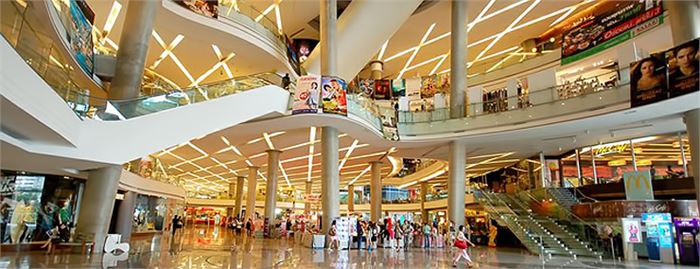
(Image Courtesy: Linkedin)
#7. Branding and Advertising
And now of course, without people knowing about the product, how would they buy it? The advertisement is quintessential for any successful business. While investing in a business one needs to keep aside more than 50% of his total amount for the ad purposes. Photography, photo shoots, digital designing, posters, everything costs tons of money.

(Image Courtesy: Space City Production)
Did you find the article interesting? Let us know in the comment section below.

 Share
Share


