

Do you know what PMS stands for? Has this term often confused you? Here's what it means! PMS stands for ‘Premenstrual syndrome’ and includes symptoms, both physically and emotionally, such as sudden mood swings that occur a week before a female’s periods.
From acne, tender breasts, bloating, irritability and changes in mood, a female experiences a varied set of troubles before her cycle commences. These symptoms generally last for six days and if you think you can have good riddance from these symptoms, it is possible only in the event of pregnancy and menopause.

(Image Courtesy: Buzz Feed)
What Are The Actual Symptoms Of PMS?
Physical signs include:
1. Cramps
2. Tender breasts
3. Hunger
4. Headache
5. Muscle aches
6. Joint pain
7. Swollen hands and feet
8. Pimples
9. Weight gain
10. Constipation or diarrhea
Emotional signs include:
1. Tense or anxious
2. Depressed
3. Crying
4. Mood swings (https://askopinion.com/improve-your-mood-with-essential-oils)
5. Can’t sleep
6. Don’t want to be with people
7. Feel overwhelmed or out of control
8. Angry outburst
But you need not worry as there are various ways to lower the intensity of the symptoms or get rid of it:
#1. Exercise: Some exercises a day keeps the doctor away! So move that lazy body by either hitting the gym or by going for a run. It will help you to keep the symptoms at bay! Try exercising at least thirty minutes a day
#2. Healthy foods: Want to keep yourself free from symptoms of periods? Then try healthy foods such as whole grains, fruits, and vegetables every day during this period.
#3. Avoid: Avoid salt, caffeine, and alcohol. Say a big NO-NO to them! It’s for your benefit.
#4. Smoke: It is said smoking is injurious to health and it is indeed true. Quit smoking especially during this period to prevent yourself from despicable symptoms.
#5. Sleep: Get enough sleep of at least 7 to 8 hours every day.
#6. Track: Write down about your mood swings in your journal.
#7. Medication: Try to counter the pain by taking pain relievers such as ibuprofen, acetaminophen, or naproxen. Remember to follow the instructions as it is written on the label.
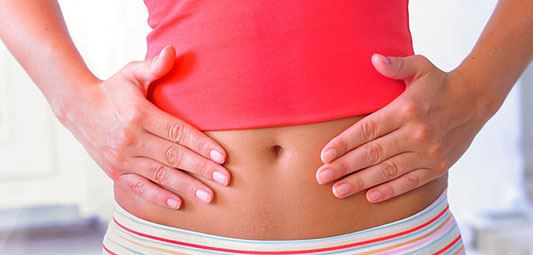
(Image Courtesy: NHS)
What Can Your Doctor Do?
If you have tried everything and your PMS is still going bad then it’s time to consult the doctor. Make an appointment with your doctor or specifically Gynecologist. Let the expert inquire about your symptoms, overall health, and medicines you take along with a sample of the blood to make sure it isn’t something serious.
Was the article helpful? Did we manage to clear your doubts about PMS? Tell us about it. Comment on the box below to share your opinions and thoughts.
(Featured Image Courtesy: Hello From Clue)

11 Opinions

106 Opinions

 Share
Share


