
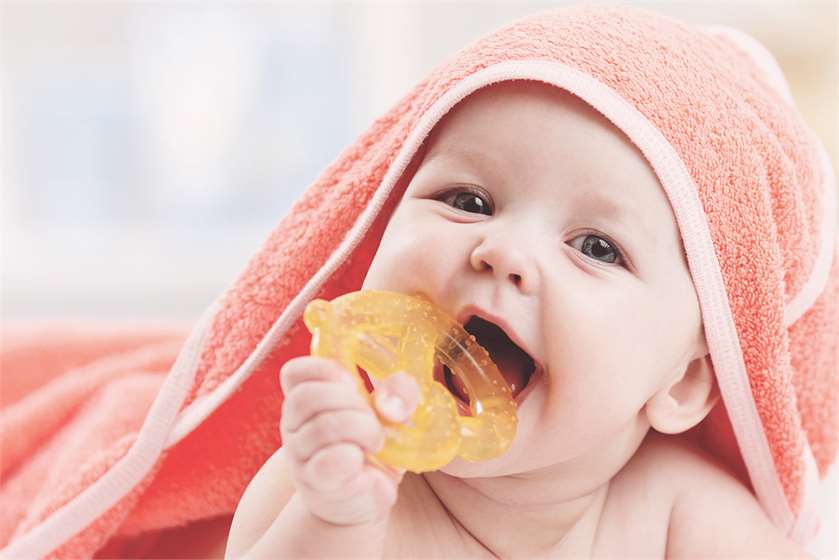
Being a parent is a blessing, and seeing your little one grow up is just unbelievable for most parents. Every parent goes through the different stages of their child growing up, and teething is one of them.
There is a specific age when the babies start teething, and it is perhaps one of the most difficult times both for the kids and the parents. While one cannot hinder the natural process, you can help out in soothing your kids.
What is Teething?
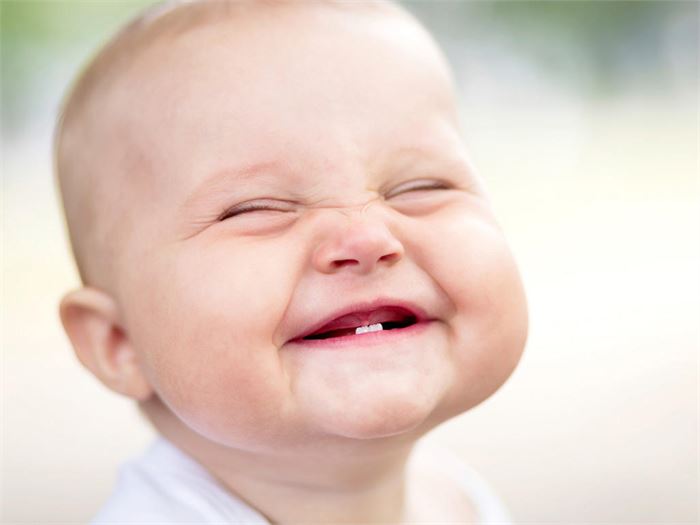
A baby is teething when he or she starts having their first set of teeth. They are called the primary or the milk teeth which break through their gums. The process of teething is difficult and extremely painful for the little ones. The gum gets sore or swells up before the teeth pop out. While some kids get cranky because of the pain, others do not even realize that they are teething.
(Image Courtesy: Baby Centre)
Teething stage of a baby is the time that every parent is terrified of and wishes it could be delayed as long as possible. But teething is beneficial for kids because it allows the baby to eat a whole diet. Without them, they will not be able to eat their favorite curries and also wouldn’t be able to chew your favorite beans and broccoli. Teeth will also them to tear the meat and chew it properly.
When Do Babies Start Teething?
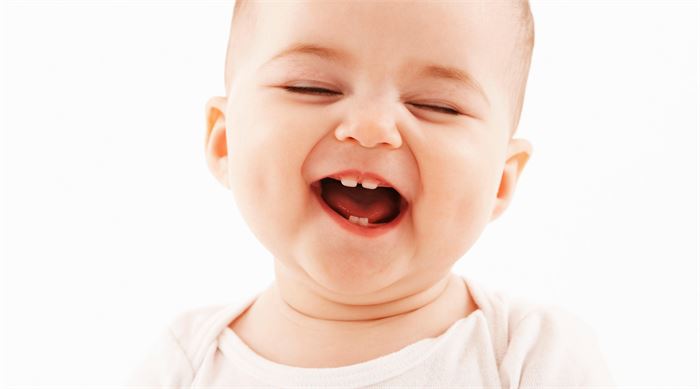
Teething can start anywhere between the age bracket of 3-12 months. Usually, it begins around the 6th month of your baby’s birth. By the time he or she turns 3, they will have a complete set of 20 primary or milk teeth. The lower front teeth are usually the first ones to pop out, followed by the upper frontals that take another 1-2 months.
(Image Courtesy: The Bump)
What Are The Signs And Symptoms Of Teething?
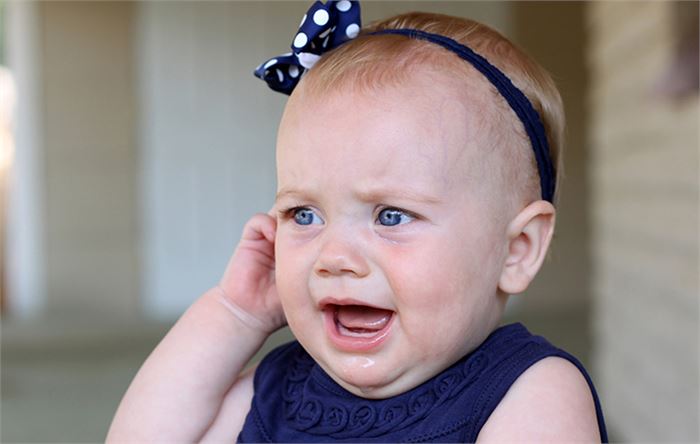
The most basic symptom that every parent can trace is the baby’s crankiness. The soreness and the swelling in the gums cause pain and uneasiness which makes the kid cry. While teething kids tend to bite on anything; be it their fingers, toys, clothes or whatever comes along the way to release their pain. They look like cute little hungry gorillas feeding on anything they can get their hands on.
The symptoms usually stay for 3-5 days until the teeth come out. Once it breaks through the skin, the pain disappears, and you can see your kid smiling again with a tiny tooth inside his mouth.
Other symptoms could be:
• Excessive drooling
• Reduced diet
• Restlessness
• Lack of sleep
• Pulling their ears
(Image Courtesy: New Born Baby)
Although Teething is a natural process, it might have certain complications depending on the sensitivity of your kid. Check out for these red flags while your child is teething.
Highly inflamed gums
Gums turning blue
Gums get bumpy
Some oral care tips for parents whose kids are teething:
- Let them chew on a frozen wet cloth
- Help them with a frozen carrot or any other frozen veggie which they can chew
- A cold spoon can sooth them too
- Buy them a teether
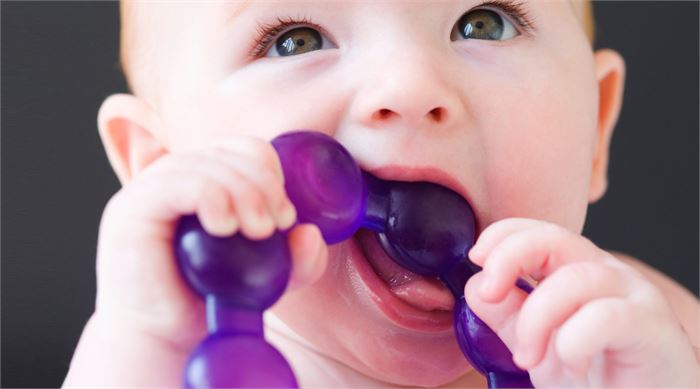
(Image Courtesy: The Bump)
Do you have any other tip on helping the kid while he is teething? Let us know in the comment section below.
(Featured Image Courtesy: Teething)

11 Opinions

106 Opinions

 Share
Share


