
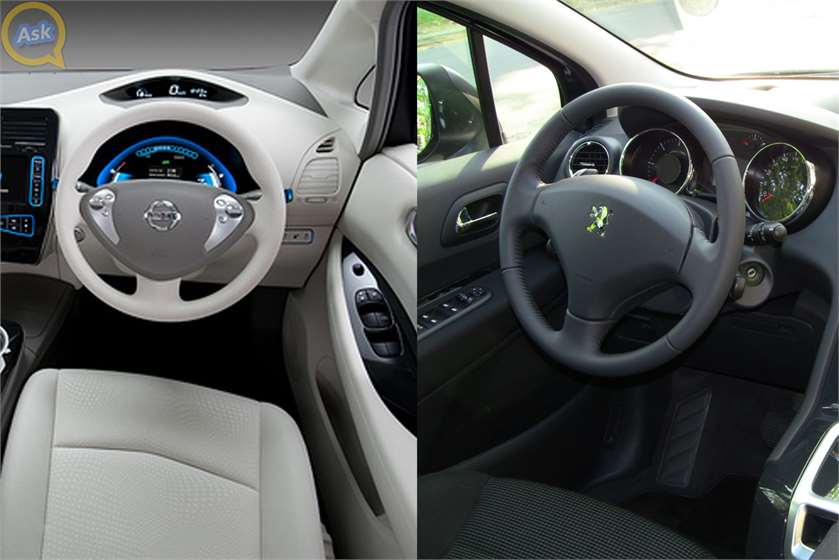
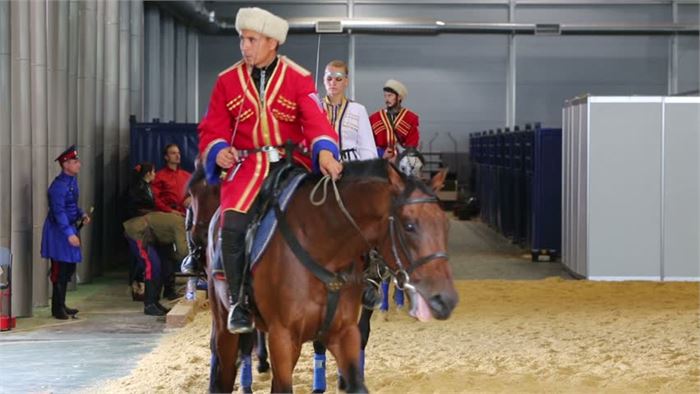
If we look back in the history when riding horses was the means of transportation, almost everybody used the left-hand driving method and found it more sensible. It was so because, in the case of any unpleasant meetings on the way, the horseman could use his right hand to pull his weapon attached towards his left side and attack the enemy. Also because of the left-hand side rule, it was convenient for the rider to mount and unmount his weapon towards the side of the road, rather than in the midst of traffic causing harm to people.
Going a little ahead of time, say in the late 1700’s of France and United States, when carriages and bandwagons disrupted the daily traffic, the horse men sat on the left rear of the horse to keep his right arm free to lash the team of horses. And because he sat on the left side, he wanted the passerby to overtake from the left, so he can see them beforehand.Hence, he stayed on the right side of the road.
(Image Courtesy:shutterstock)
Similarly, it was easier for people to greet their friends and allies while driving with their right hand free. So almost everybody followed them, including countries like USA and Britain.
Talking about the Right-hand rule, France was the first one to start it. The reason behind it has never been clearly stated, but Napolean’s intervention did the rounds. While some call it the Napolean effect, others call it an opposition to English rules. Countries like India too follow the right-hand steering, despite being a former colony of the British who follow the exact opposite.
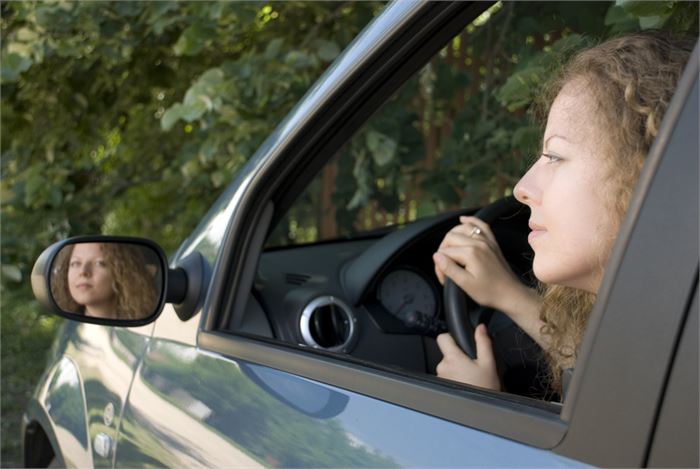
Coming to the present times, where the raging automobiles fill up the giant roads, the driver’s seat is positioned on the side which is closest to the lane for opposing traffic. This lets the driver see the vehicles behind him, while overtaking in case of taxis, it helps the passengers to easily get down at the side of the road instead in the middle of the traffic.
(Image Courtesy:french entree)
Soon after America, Europe took a liking to their well-made and cheap cars and therefore, adopted the right-hand side driving. The British influence spread to Japan in no time. They needed British assistance in building Railway networks and therefore, the rail cars too followed the British style of driving.
Most countries like India, Australia and Southern Africa and the Caribbean, which were former colonies of the British still follow the left-hand side driving with their steering on the right sides. Whereas, Europe, United Kingdom, Ireland, Malta and Cyprus drives on the right-hand side with Guyana being an exception with a right side steering.
Broadly, two-third of the whole world follows right-hand side driving including the USA, China, and Russia. Canada who earlier drove on the left-hand side has been switching positions to make border crossings with USA easier.

(Image Courtesy:confused.com)
Looking at the judiciary status then, in the RHT (Right Hand Traffic) jurisdictions, vehicles are configured with LHD (Left Hand Driving)(Steering wheel on Left-hand side), which clearly indicates that the driver sits on the left and in LHT (Left Hand Traffic) jurisdictions, the reverse is true, that is, they are RHD (Right Hand Driving) (Steering wheel on the right-hand side) meaning the driver sits on the right.
Doesn’t matter if you drive left or right, just make sure you drive safe. Road accidents have been on a hike for some time now, so do not drink and drive, be safe and secure.
(Image Courtesy:shareyouressays)
Do you have any more interesting facts related to the driving styles in different countries? Let us know in the comment section below.

24 Opinions

5 Opinions

 Share
Share






Maybe that would help. Europeans in America wouldn't have to adjust to the local driving scene and vice versa. Perhaps this could help in lowering the number of road accidents.