

Sarees are traditional clothing for the Indian women and can make the fashionistas look more elegant and attractive. You should not be afraid of experimenting, as there are more than 80 different ways to drape a saree. Let us explore five popular traditional and contemporary saree draping styles:
It is one of the standard styles of saree draping that women prefer to wear in weddings, pujas, traditional ceremonies and formal gatherings. The saree is first draped around the waist, and the pleats are tucked in the middle portion of the petticoat. The pallu of the traditional saree falls on the left shoulder.
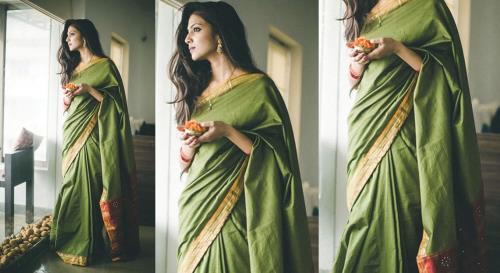
(Image Courtesy: PickSilk)
No pleats are made in the Bengali draping style, and the saree is wrapped around the waist and brought back to the right side. The pallu falls on the left shoulder and again is twisted under the right arm.

(Image Courtesy: Lady India)
It is one of the best draping techniques to carry heavy embellished sarees like mirror work, Benarasi, and stone work. You need to tuck the saree in the petticoat and then make pleats, and the pallu should fall from the back over to the right shoulder.

(Image Courtesy: MetroMela)
If you want your saree to look like lehenga, you can surely follow this draping style. After wrapping the saree, make small pleats and then tuck this inside the petticoat. The pallu should fall over the right shoulder like a lehenga.
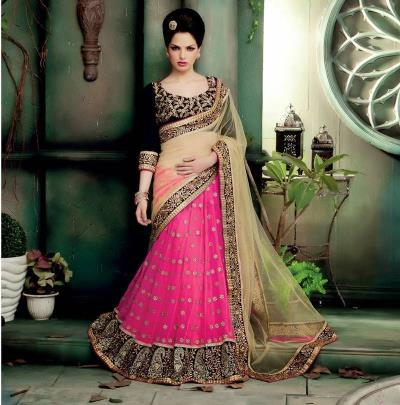
(Image Courtesy: Mirraw)
Popular Bollywood actress Mumtaz used to wear this double drape saree. The pleats need to be made early without draping the saree, and after that, you need to drape the saree by keeping the border visible at different heights.

(Image Courtesy: Pinterest)
(Feature Image Courtesy: Khoobsoorti.com)

 Share
Share


