

What do you do when an adult hits you? Do you hit them back? No individual has the right to hit you no matter what the reason may be. As adults leading a stressful life, one often incites frustration which ultimately leads to aggression. This aggression is taken out by shouting, screaming and in some cases by hitting. No denial in the fact that hitting is a punishable offense but hitting is mostly an instant reaction to boiled aggression. The person does not find any other way to vent out the emotion that has hurt them.
Every day, one or more individual engages in physical abuse as a reaction to anger that has been accumulating in their bodies from a lot of time. The reasons could be anything from not being served coffee in the morning to something grim. Usually, the cause behind such a level of aggression is a lot of physical and emotional stress that has not discovered its route out. It is understandable when an adult gets aggressive because the person leads an extremely busy and hectic life. But what if a child hits you? Are you aware of the term parental abuse by children?
When a child hits the parent, it is called parental abuse. This is when your child hits you, but you cannot hit the child back because one cannot hurt their own child. But why did your child hit you? Why is your child becoming abusive? You must be wondering what stress your child be going through. You should know that your little child also suffers from stress. Your child may be suffering from some illness which has made it frustrated. They may be bearing some pain they are not informing you about because they fear you will scold them. Your child may have witnessed some stressful event like an accident or a robbery which has affected their mind a great deal, and the brain unconsciously tries to suppress this memory. The child, therefore, does not speak about it. Now we have known why the child might be aggressive but what are the signs that your child is abusing you?
#1. Your child intimidates you. They want you to give them what they want from you. Your child is pushing the boundaries. They may want to scare you to get what they want because they think that they can by raising their voice and when you refuse to do so then they snap and hit you.
#2. Your child is breaking the rules you had made. Now, they do not trust you as an authority, and so they do not believe in following your laws. The child will try to defy everything you ask them to do.
#3. Your child is getting violent. They hit you or the pet at your home. They throw stuff in anger, and they slam doors. This is a sign that you are being a victim of parental abuse by children. Not valuing your decisions and your private space, the child continues to defy you and get more violent.
If you have observed these signs, then you should start thinking about how to handle your aggressive child’s behavior because if you do not hurry, then your child might take the wrong step. The child may grow up to become even more volatile and hostile.
Let us know how to deal with an aggressive child who hits you.

#1. Anticipate The Behavior
The first step is to anticipate the behavior of the child. You can easily guess when your child is going to get aggressive. The child will obviously come to you to ask for something and when you will refuse to give them what they need, your child will get angry. You need to see how far that goes. Observe how much your child can bear before you finally refuse. This insight will help you get a better solution next time s/he does it again. The parent can always guess when the child may want to hit you. First, the child will scream and shout and if that does not work the child will go on to hit you.
#2. Stop Before They Strike
Observing the attitude of your child and guessing their fuming point, you should get prepared. The moment your child raises their hand to hit you, you should stop them before they reach you. You can hold their hand subtly without expressing anger. If they find you angry, it is possible that they will try to hit you again. You need to avoid that. Therefore it is necessary to stop your child more softly. Your child should not feel that you are about to hit them or you have gotten angry because they will get scared.
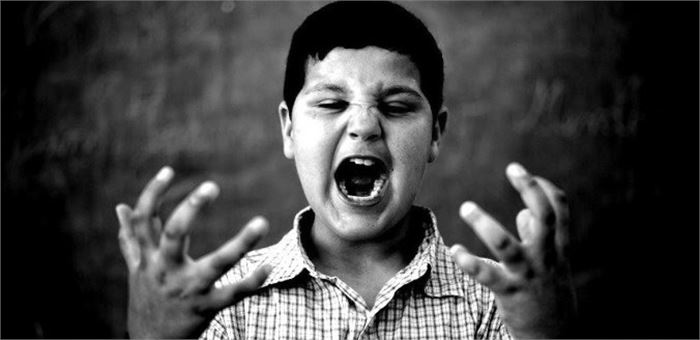
#3. Communicate
Now that your child cannot hit you it is the time that you convey your message. Inform your child that such an attitude is not acceptable. Your child should know that they are not supposed to hit their parents or anybody else. You should communicate that you do not accept such behavior and that they should follow your rules because you know better. If you have not conveyed this to your children, then your child will not know that this behavior is bad. Unless they are taught the right manner to cope up with their emotions, they will hit you and other people around them.
#4. Consequences
Just communicating that this behavior is bad is not enough. You need to tell your child about the aftermaths of such an attitude. Tell them that you can punish them if they do not follow you. Be polite and soft while you tell them about it. You should not scare your child by being loud or rude. Do not tell your child that you will beat them but tell them that they will be grounded. They will not be allowed to have anything else if they behave badly.

#5. Listen
Listen to what your child has to say. Why is your child behaving aggressively? Ask them about what is bothering them and how can you help them. There are chances that your child is behaving so because of a fear of something, or they may be feeling ill. They want you to listen to them, and if you don’t then, they shall continue this behavior. Your child may be feeling impulsive about something, or they may have seen something which has disturbed them. You should take out time to talk them. Make sure they speak their mind without hiding anything.
#6. Do Not Fight Back
When your child becomes irritating or if they talk to you badly then you should control yourself. You should not do what you want your child to stop. If you beat them, then they will find a contradiction in your statement. They will not follow when you ask them not to hit you. Whenever you want your child to learn some behavior, you need to show that behavior yourself. Your child learns from you. If you argue back in a loud voice, then your child will learn that. There may be chances that your child is learning aggression from his parents. So, avoid showing your irritation or frustration.
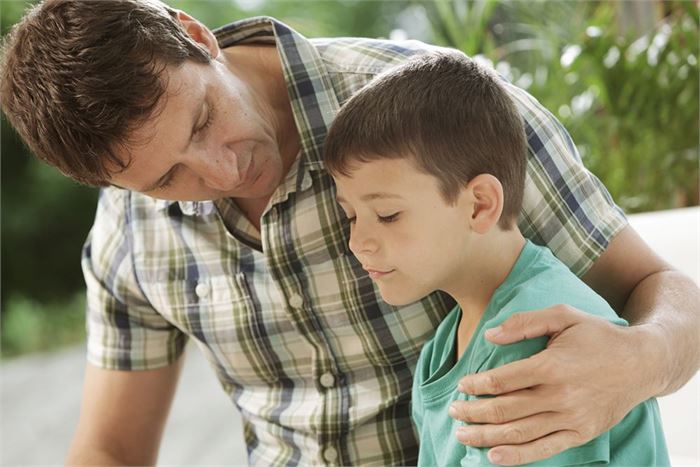
#7. Comfort
You should control your anger instead you should comfort your child. Hold your child’s hand or hug them. Make your child feel comfortable so that they are able to speak their heart out to you. They may be scared of something, and at this time they need your warmth. Your child is innocent because they do not want to hurt you intentionally. They may not be able to talk to you thinking that you will be angry. A child is an innocent soul. Thus, they will be scared if they have broken something by mistake or if they have ruined their dress. You need to comfort them and give them surety that you will not get angry with them.
#8. Appreciate
Once you are done with the conversation, and now you have known what the reason was for such behavior, then you should start appreciating your child next time they behave well. If they express their emotions well next time, give them a reward which will reinforce their good behavior. Teach them that you will appreciate such good actions in the future as well. When the child gets rewarded, they will repeat that behavior because they want to be the good child.
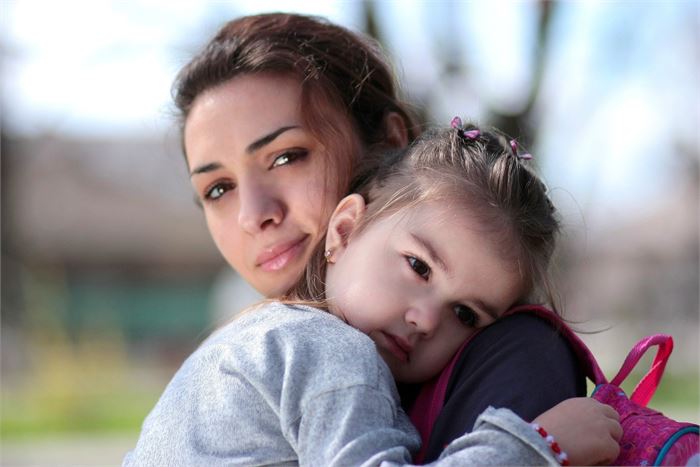
#9. Clinical Support
But if all of your efforts have gone in vain then you should consider taking professional help. You can talk to a child psychologist about your child’s aggressive behavior. You can talk about how your child abuses you and they may help you in tackling such behaviors on your own. They may suggest that you bring your child for counseling sessions. Your child needs help if his/her behavior is furious and not under control. Before their temper deteriorates and they become hot-headed you should take measures to stop it.
Is your child aggressive? What do you do when your child hits you? Do share your views with us through the comment section below.

28 Opinions

3 Opinions


We all believe that children are god’s gift. Their life is more precious than our own.
They make us laugh through their innocent questions and sometimes they leave
us speechless by asking questions to which answers are not known. Children can
make your day when they smile but they can irritate you at the same time by
throwing tantrums at you. a child has more temper tantrums than an adult. A
child can get very agitated because they are dependent on others for everything
and when the parents do not give them what they want then they can get
aggressive. What other ways does your child get aggressive in?
A child gets irritated when s/he needs some object that they found attractive like
your child saw a new stationery object that is not useful but still wants to own it.
They come to you to buy it but you do not want to. The child feels aggressive
when you do not listen to them. The child is under peer pressure as most of the
kids in school own that object. Now the child feels helpless and starts thinking
that you do not care about them.
There is a possibility that your child fears something. It could a senior, teacher at
school or it could be any other person in the neighborhood. The child does not
feels safe around that person and also feels helpless. Maybe the person has
threatened the child not to talk about them to anyone. Your child will not be able
to deal with this situation alone and as expressing the fear they may get
aggressive. They may start slamming doors or throwing expensive stuff.
The child may be at such an age that such tempers are common. Your child may be
entering teenage and at this age a lot of transitions take place in the body of a
child. The aggression may be a result of these bodily changes that they are not
comfortable with. Adolescence is a troubling age for a growing child. Change in
physical appearance and voice makes a lot of children uncomfortable which leads
to unnecessary aggression.
Your child may also be unhealthy. The child may be feeling sick or some sort of
pain that they cannot describe. The child might have heard a rumor regarding the
disease because of which the child does not want to disclose that s/he observing
the symptoms of the same disease. A child cannot decide what is right or what is
wrong. They cannot make out the difference between a rumor and a fact. We all
had believed some stupid rumors in our childhood some of which were told about
by our parents.
What we need to do is to maintain communication with our children. We often
neglect our children because we do not have time. Parents should be responsible
for their children’s behavior and if you find any changes in your child’s behavior
then you should not ignore it especially when your child starts hitting you.