
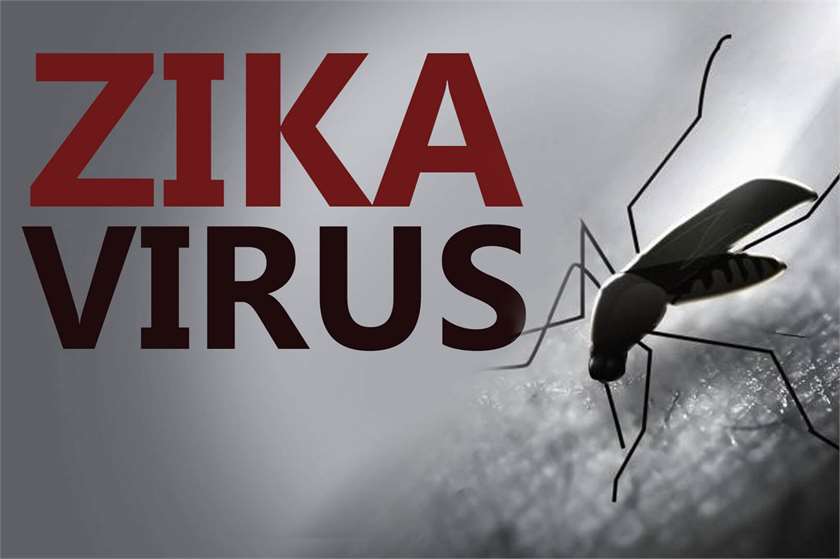
The World Health Organization (WHO) confirmed three cases of people infected by the mosquito-borne Zika virus in Gujarat. The cases reported were from Ahmedabad and the patients include a 22-year-old pregnant woman, a 34-year-old new mother, and a 64-year-old man.
Although the virus can be extremely deadly, no fatalities have been reported in the country yet.
Here’s all you need to know about the deadly virus:
What is Zika?
The name comes from Uganda’s Zika Forest where it was first isolated in 1947. It is transmitted by Aedes aegypti mosquito, the same mosquito that transmits dengue and chikungunya.
Unfortunately, there is no treatment or vaccine available for the infection.
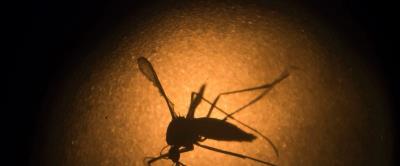
(Image Courtesy: AFP)
Symptoms
The virus can show symptoms of mild fever, conjunctivitis, skin rash and muscle and joint pain. The flipside of this infection is that death is rare if you're bitten by a Zika-causing-mosquito as less than 25% patients show symptoms that last more than 10 days.
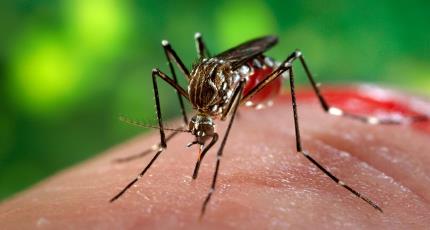
(Image Courtesy: TriCountry Health)
Why should you still be afraid?
Although the virus in itself is not deadly as it earlier seemed to be, the simple fact that there is no vaccine or known treatment available makes it a tricky situation. Also, the effects that the deadly virus can have on pregnant women can not be ignored as an infection due to Zika could have potential ill effects on the fetus and also cause microcephaly in some cases. The infection can also cause Guillain-Barre syndrome, a rare neurological disorder that causes paralysis.
What is microcephaly?
It is a medical condition when babies are born with an abnormally small head due to stunted development of the brain. If the severity of the infection is high, then it can potentially increase the chances of this disorder and play the catalyst in stopping the brain to perform at optimum levels.

(Image Courtesy: ABC News)
How can you be safe?
It all boils down to the simple fact that it is a vector-borne infection, with the vector being a mosquito. So, the real ways of preventing this infection from spreading would be to limit mosquito breeding in your surroundings. That may include not letting water accumulate in any way possible in and around your vicinity. So don’t let water get collected in flower pots, dessert coolers, tires, non-used bottles etc.
As part of personal protection, make use of mosquito repellants and grow plants that are known to repel mosquitoes such as lemon grass, basil, mint, rosemary etc. Another thing worth noting here is that Aedes aegypti is a day-biting mosquito. So take needed precautions and dress appropriately, especially in the day time.
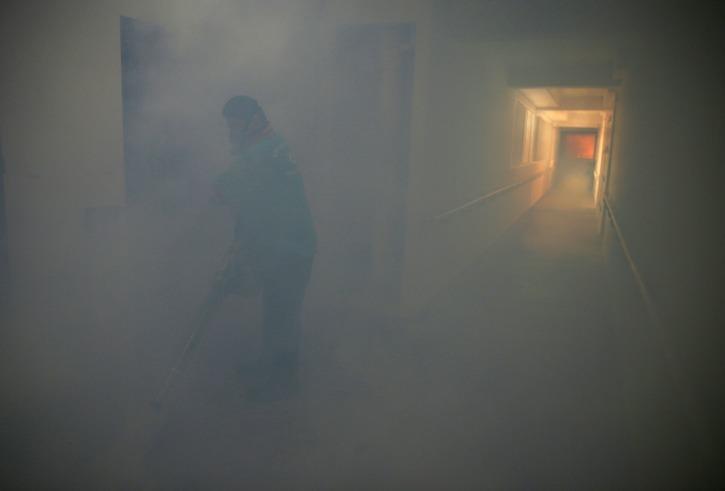
(Image Courtesy: Reuters)
Should India fear Zika?
Some people might argue that Zika will never cause an onslaught in India like other vector-borne diseases, but the effects that the virus bears on the progeny if infected is hazardous. Another thing that makes India an ideal place for Zika to sustain and thrive is India’s climate which provides a fertile environment for the mosquito to multiply.
Another thing that India should be afraid of is the fact that it is the very same Aedes aegypti mosquito that is also the vector which is responsible for causing dengue and chikungunya which are deadly diseases and claim hundreds of lives every year. Adding to all, the Zika is a relatively new virus in India and thus there could be a lack of population immunity against the virus in newly affected areas.
Is the government helping?
As they say, cleanliness begins from home, but, the government has to take certain measures to curtail in further spreading of the virus. As per a WHO statement, the government responded quickly with an action plan and directives to other states to prevent an outbreak of the disease along with the formation of an inter-ministerial task force.
A technical group has also been set up in order to monitor the global situation on the Zika Virus disease.
(Featured Image Courtesy: The Warning Project)


 Share
Share


