

We all love getting up and getting our dose of caffeine in the morning. It makes us feel fresh and also gives us the required energy to last the whole day.
However, have we ever really thought if the relation of coffee and energy holds any validity is just a premonition? Many scientists have done several studies to find out if coffee has the ability to provide an energy boost to the human being or not.
So, we did a lot of research and read a lot of papers. Honestly, the signs aren’t that encouraging. Not that coffee is plain bad for you, but it is not as good as we thought it after all is.
#1. Apparent Energy
So, let’s begin with a fundamental question. When you get that kick in the morning after drinking coffee, is it because coffee gave you energy or because you thought it did? Researchers say that coffee doesn’t provide you with any energy. Rather, it induces certain components in your brain that you don’t feel tired for a while. The consumption of coffee sedates the part of your brain that is responsible for telling you that you’re tired.

(Image Courtesy: Drink)
#2. Nutrients
Okay, so the basic way that your body gathers energy from anything you eat is by feasting on its nutrients. If we look at black coffee, it has no nutrients to provide to your body. In such a scenario, it is biologically impossible for your body to garner any amount of energy from coffee consumption. If you think milk in the coffee can solve that problem, well, it can not. That particular coffee needs to have sugar which is equally bad for your body.

(Image Courtesy: Epicanus)
#3. Metabolism vs Mental Alertness
Mental alertness and physical energy are not the same things, and neither are they inter connected. From a biological sense, metabolic energy refers to the amount of energy your body needs to carry out the basic functions that are essential for your survival. For instance, your muscles need the energy to contract, and your brain cells need the energy to think and learn. Unfortunately, caffeine is not known to fend off for any energy in the body. It doesn’t have the substance essential for your body’s metabolic functioning; hence it provides no added energy to your body.

(Image Courtesy: SheKnows)
#4. The Science Behind It
In scientific terms, coffee combines with certain adenosine components in your brain upon consumption. The adenosine component is the called as the powerhouse of your body. Since coffee stimulates that particular component, what you feel is a perceived gush of energy in you. Perhaps now you know why you feel extremely nervous and anxious after drinking coffee.

(Image Courtesy: The Coffee Compass)
#5. Health And Coffee
Coffee’s impact on your health has been debated for years now. There seems to be no clear direction that we can look at. It is because while coffee has some downsides of its own, it does come along with some advantages too. For instance, coffee can help in recovering from erectile dysfunction. However, the key here seems to be of moderation. Scientists say that the ideal amount of coffee that an individual should consume in a day should be less than 400 mg- that roughly translates to two to three cups of coffee in a day. If it is consumed without moderation, it starts acting as a stimulant and then it is nothing short of substance abuse.
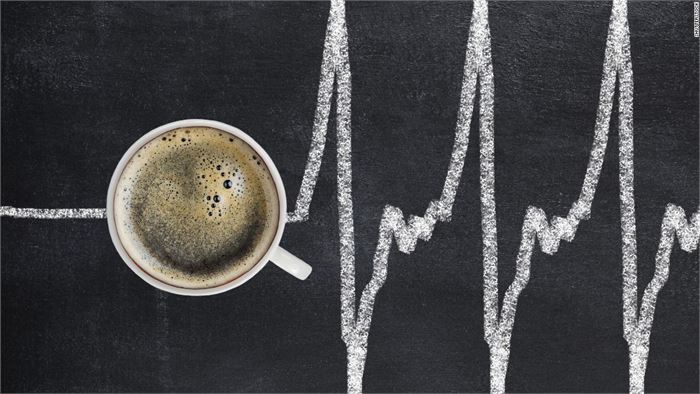
(Image Courtesy: CNN)
Do you agree with the information provided in the article? Share your views with us! Comment on the box below to express your opinions with us!

28 Opinions

3 Opinions

 Share
Share


Yes, it is nearly impossible to get through the day without coffee.