
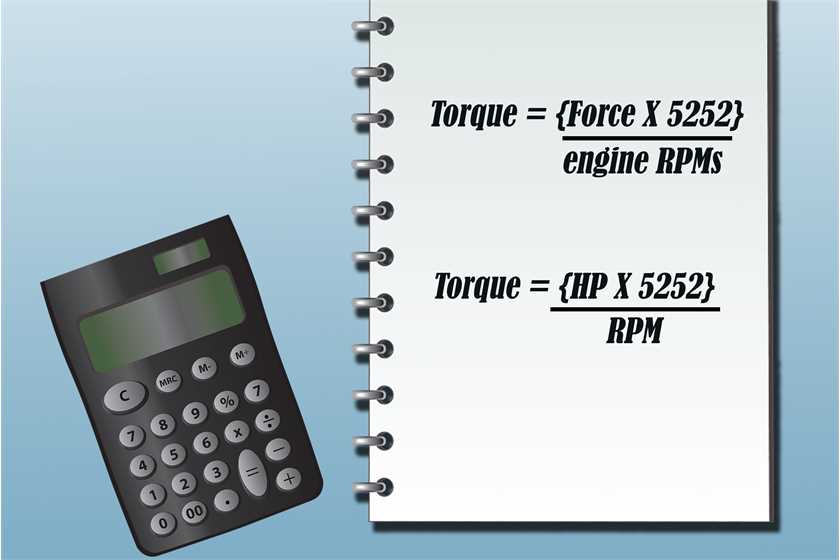
In simple words, torque and power are what an engine produces when the key is turned on and the accelerator is pressed. However, it is more complicated in reality. If one can envisage a plumber’s pipe wrench appended to a corroded drain pipe, torque is the force necessary to turn the pipe.
If the length of the wrench is two feet, and the plumber pushes with 22.6 kilograms of pressure, he is applying 45.3 kilograms-feet of torque) to twist the pipe. It is also what moves a car at a lesser speed, so the ability of the car to hop off the line depends on the volume of torque it acquires.
Nonetheless, once you get going, it is imperative to have less torque and additional horsepower to retain a high speed. People have a tendency to flip out when they notice power numbers on a car.
Horsepower is as numerical in character as torque when it is broken down to its basic design and implementation, and horsepower principally catches up where torque goes down. To summarize in simple words, one horsepower equals the sum of power it takes to execute 33,000 foot-pounds of work per minute.
An article in Hot Rod Magazine says that this gauge of force was first revealed in the 18th century by James Watt, who noticed that the amount of work completed by a horse that was operating a gear-driven mine pump could indeed be calculated.
Even after three hundred years, the same equation is used to gauge the capacity of an engine to develop power at a higher velocity, and the pitch in power is felt to be stifled at an enhanced speed.


28 Opinions


