

Babies are a delight to watch, especially when they learn new skills. Your baby’s first roll is a big surprise for you and for them too.
Here’s a guide to what all to expect when your child turns into a rolly-polly.
#1. When Do Babies Roll Over?
Some newborns can roll onto one side to sleep in the very initial days, but they seem to lose this ability in the first month of their birth. It is usually around the fourth month that your baby can kick itself over, from their tummy to their back. It may take an extra month or two to be able to flip from their back to front. Have you ever wondered why that happens? That's because the movement for rolling over requires stronger muscles!

(Image Courtesy: Pregnancy and Baby)
#2. How Do Babies Learn To Roll Over By Themselves?
Try this one to see the magic happen. Once your baby is about 3 months old, put them down on their stomach. When placed like that, your baby will try to lift their head and shoulders high with the support of their arms. Visually, it looks like a mini-push up and will help the baby roll over. But the first roll over is always a surprise. While flipping from front to back is usual, doing it the other way round is nothing to worry about. Keep enjoying your rolling toy.
At 5 months your baby will be able to arch their back to lift their chest in addition to lifting their head and pushing up on their arms. If your baby is an active one, then it might also kick its legs, swim its arms and rock on its belly too.
When Do Babies Roll Over Both Ways?
All the rolling, kicking and pushing helps your baby to develop its muscles. The muscle strength aids the toddler in rolling over both ways. The little baby might reach its sixth month while learning to roll over on both sides. And in no time they master the art of rolling from their front to back and vice versa.

(Image Courtesy: Babble)
#3. How To Help Your Baby Roll Over?
You can help your little one to learn to roll over by giving them their tummy time. It helps them in building their arm, back, and neck strength. Place your baby with its face down, across your lap for a little while. This activity can take place as early as the first week of the birth. As the time progresses, give your bundle of joy a good 15-20 minutes to explore its skills. If they are indignant about it and gets cranky when you put them on their belly, then start with the smaller sessions ending in 1-5 minutes. You can exceed the tummy-play sessions once the baby finds it fun.
Toys are a kid’s best friend, so nothing better than tantalizing toys to bait your little monster to start rolling. Try to place their favorite toys around, so the baby keeps moving using their arm strength. It might result in a tiny little side roll. You can also lie down on the floor next to the baby and show them a few rolls. Kids are great at copying; they might just get it from their momma!
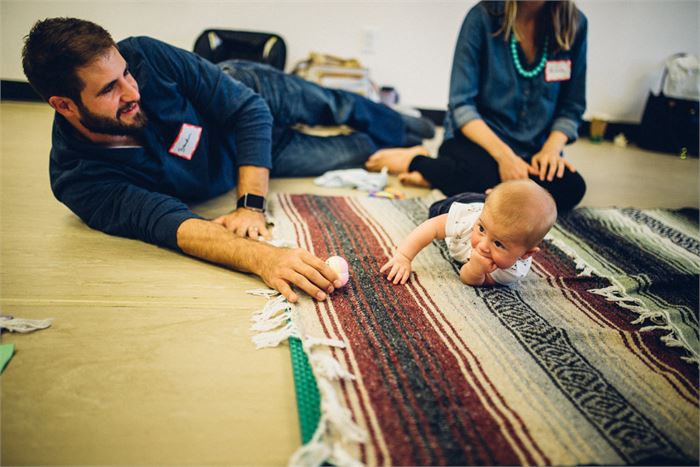
(Image Courtesy: Babies On The Move)
#4. What To Do If Your Baby Doesn't Roll Over?
Your baby is growing up if they first rolls, then crawl and finally starts walking. But some kids skip the rolling part. Instead of using rolling as their primary mode of transportation, they directly switch to sitting, lunging and crawling. While a majority of the babies start to roll around their third month, premature babies take a little longer to touch the milestones. As long as they surprise you every day with his new skills, there is absolutely nothing to worry.
But if you are concerned with their slow progress, consult your maternal health nurse. These developmental milestones are checked during your visits to the nurse.

(Image Courtesy: Essential baby)
Has your baby started rolling yet? Let us know in the comment section below.
(Featured Image Courtesy: Tesco Baby Clinic)


