
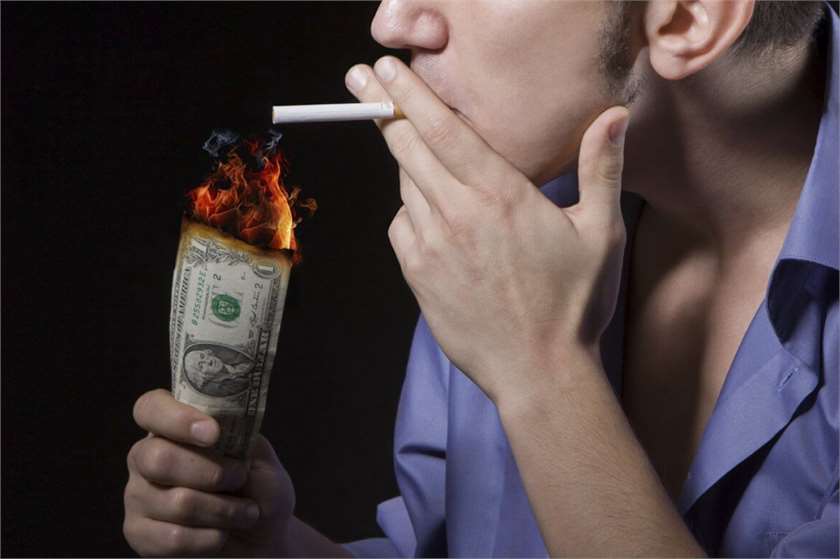
According to the World Health Organization (WHO), every year more than seven million people die due to tobacco use and this number would grow by a million more by 2030.
Second-hand smoking (SHS) or passive smoking is just as harmful (if not more) as the smoke particles are smaller which can get seeped into the lungs and cells easily. Pregnant women, who may have smoked passively, are at the risk of miscarriage, stillbirth, or Sudden Infant Death Syndrome (SIDS). Moreover, physical deformation like cleft palate in infants is a direct cause of tobacco smoking at the times of pregnancy.
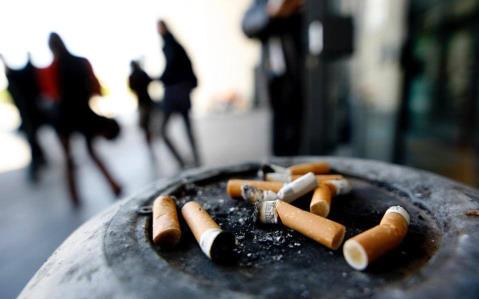
(Image courtesy: Web Voice)
Also, it establishes poverty as people from lower-income groups spend on buying tobacco products, cigarettes (and bidi and gutkha in India) instead of necessary items like food, health, education. Moreover, tobacco farming is harmful to the environment as a lot of pesticides and fertilizers are required in the process.
WHO’s step towards its elimination
In light of this, the World No Tobacco day is an important guide and paradigm to end the suffering caused by tobacco worldwide. Celebrated annually on May 31, the day was created by the member states of the WHO in 1987.
In 2015, the theme for the day was curbing illicit tobacco trade. Last year, it was plain packaging to deglamorize the cigarette packets, and this year the focus is on the overall development of a society and how tobacco is a threat to it. A large part of a country’s Gross Domestic Product (GDP) is spent on this item, which is not a necessity per se, at the expense of important resources like healthcare, education, and infrastructure. The theme, ‘Tobacco – A Threat To Development’ points to this facet.
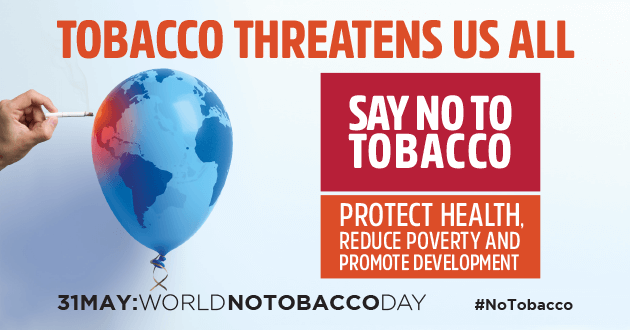
(Image courtesy: WHO)
What has the government done so far?
Taxing tobacco products can decrease their consumption as people, especially since the consumers are largely men from lower to middle-income group, wouldn’t want to spend on a luxury item every day. India’s Union Budget for 2017-18 presented earlier this year enforced taxes on tobacco with much cheer from the health sector, as the product is one of the top reasons for Non-Communicable Diseases (NCDs) in the country. The excise duty on cigarettes increased from 4.2% in 2016 to 8.3% this year whereas, on pan masala, advertised by the Irish actor Pierce Brosnan, it increased from 6 per cent to 9 per cent in 2017. The excise duty on cigars and cheroots was set at 12.5%.
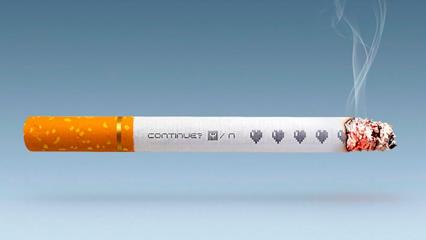
(Image courtesy: YouTube)
Worldwide trends
In 2014, China ranked number one in the list of countries that consumed cigarette. It was followed by Belarus, Lebanon, Macedonia, and Russia. China’s situation remains problematic as about 300 million people smoke and of them 68% are men. China’s National Health and Family Planning Commission have sought a nationwide ban by the end of this year to prevent the country from going up in smoke.
According to the Centers for Disease Control and Prevention (CDC), one in every five deaths in the United States is due to cigarette smoking. The demographics are widely similar as the most common consumers are males from a low-income group. In the United Kingdom, about 16.9% of the adults smoke, which is close to 7 million active tobacco smokers, according to the Public Health England. The reason for the low numbers in the UK is due to active usage of nicotine patches and gums which helped many to kick the butt.
Russia has proposed to ban the cigarette completely to those born in 2015 and after. This strict measure comes to the fore as 33% of the adult population has a smoking habit. Ireland has completely banned smoking in workplaces to curb second-hand smoking and its ill effects.
(Feature Image courtesy: Cilisos)

 Share
Share


Our movies and television glorify smoking and it creates a culture where smoking is associated with being cool or macho.
I feel there should be a ban on showing smoking in any of the public media.