
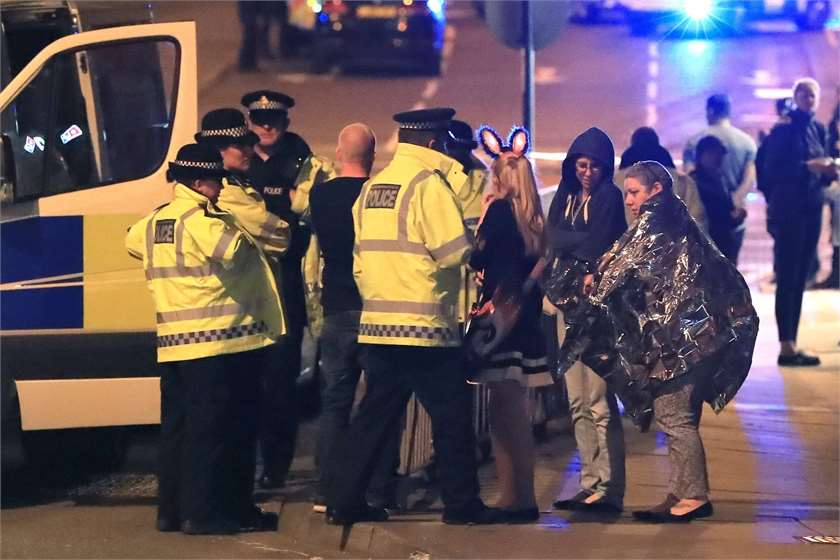
In a new development in the investigation of the Manchester attack, FBI had reportedly warned its British counterpart, the MI5 in January about the potential risk Salman Abedi presented.
The 22-year-old Libyan, who killed 22 people and injured more than 100, including children, at an Ariana Grande concert in Manchester, had been to Syria and most likely, radicalized by the Islamic State (ISIS).

(Image Courtesy: SBS)
Plain-clothed, cannabis-smoking Abedi was among the 3000 people who were not under investigation, despite being known to the MI5 in a list of 20,000-odd persons under surveillance. Now that the probing has begun, about 16 others have also been taken into custody.
In March this year, Briton Khalid Masood rammed a truck into a crowd at Westminster, killing 6 people and injuring 49. After an investigation and a close reading of his Whatsapp texts, it was ascertained to be a terrorist attack. MI5 in a review of the attack said that such lone wolf attacks were harder to trace than multiple-person attacks, wherein plans can be thwarted through surveillance or 'moles.' Most radicalized youths are usually under the age of 30, and while Abedi fit the profile, Masood at 52 was an outlier.
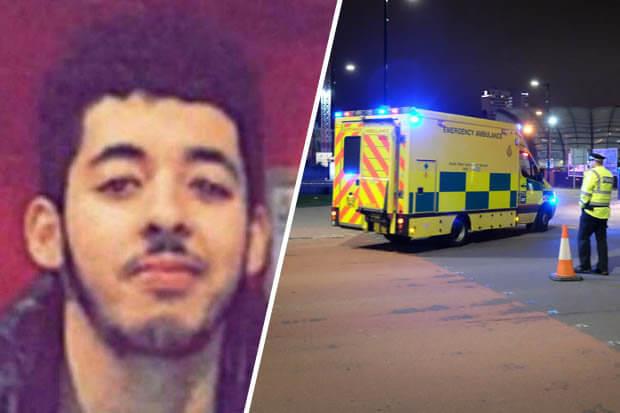
(Image Courtesy: Daily Star)
Both Abedi and Masood had expressed their discontent over the presence of Western forces in war-torn countries. The proxy wars in Syria between the United States and Russia, and Iran and Saudi Arabia have displaced the civilians who, in turn, come to seek refuge. The growing hatred towards such forces combined with religious extremism and Islamophobia in western countries have wreaked havoc.
The question remains that on what basis are people included in the high-risk subset, that is, individuals who are capable of any terror-linked activities. Also, does the military have enough resources to keep track of thousands of potential risk factors?
(Featured Image Courtesy: Metro UK)

24 Opinions

 Share
Share


