

Financial literacy for kids is as important as it is for adults. Our childhood is the foundation of that structure we are going to create in our adulthood. What kind of person we become when we grow up is all dependent on our upbringing and education. The important aspect of this development is not just the literacy, but it is being able to use that knowledge we acquire to construct something better for the world.
When we are young, we have all the time in the world to gain knowledge about everything, but when we grow up, we have everything except time. Adulthood is the period where we have to utilize all our knowledge to stabilize our life, to be able to do what we always desired to. But the question is how do we fulfill our needs? The answer is quite simple we need money to fulfill most of our materialistic needs. How do we earn money? We earn money through education.
We acquire skills at our schools, colleges and then we become capable of taking a responsibility at a workplace which needs our skills. When we start working, we also start earning, but that is not enough. Our schools and colleges have taught us how to be skillful to be able to earn money but they did not teach us how to use that money. They did not teach us the value of money. There are a lot of people who are not rich, who do not have money to get their children higher education and those parents teach their children the value of money.
It is not a hidden fact that a lot of popular influential personalities were broke before they became a huge name. The sixteenth President of America, Abraham Lincoln was a self-educated man. His family wasn’t rich and he himself worked as a shopkeeper and a postmaster. He may not have had an official education but he had learned values, the value of money and mankind. We do not believe that only the deprived people know the value of money because they did not have enough. Values are something any person can acquire anytime and the best age to learn the value of money is childhood. Our childhood is like clay that can be molded into any shape and so learning important values during this age becomes significant.
When we inherit some etiquettes at such a young age it stays in our memory for life. Do you remember how your grandparents taught you not to hurt animals and respect elders when you were young? Do you hurt animals presently or do you allow anybody else to hurt them? No, because you had developed a sense of pity and affection towards animals at a young age. So, if you teach your children about the value of money at this age then they will be able to become better people when they grow up. And they will create a better life for themselves.
Let’s learn how to teach your children about the value of money.
#1. Talk About Value Of Money
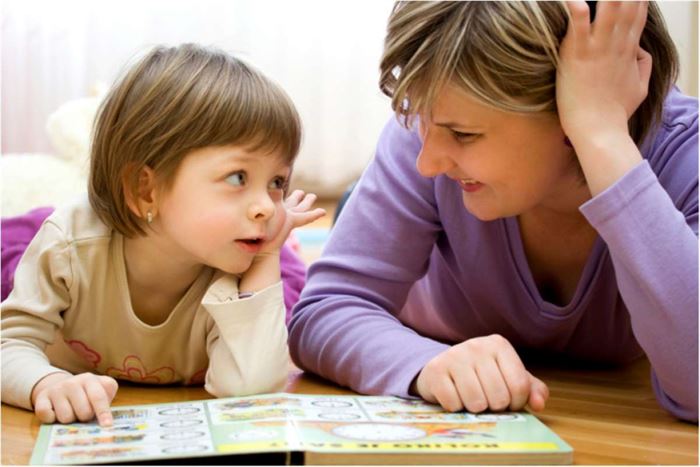
It will be your duty as a parent to teach your children about financial literacy. Talk to your children about the importance of money. It will be hard for them to understand the value of money at once but if you engage them in the talks from time to time, they will gradually learn it. You can begin with giving them information about the currency, the coins, and their value and later you can get them to know about how important each is. You should engage your child in various activities that teach them about money like you can make them play games which have money involved in it.
( Image Courtesy: Lutherwood )
#2. Make Them Wait
You can start teaching your kids the value of money at an age as young as 2 years. When your kid is young, their life revolves around toys and they are dependent on you. So, you should teach them to learn to wait if they want to have a toy. Teach your kid that they will have to wait until you have the money to buy that toy they want. When the kids learn that it is taking time to buy their favorite toy, they will understand that buying them is not easy and hence they will know that earning money is not easy and money is precious.
( Image Courtesy: Western Seminary )
#3. Set Goals For Them
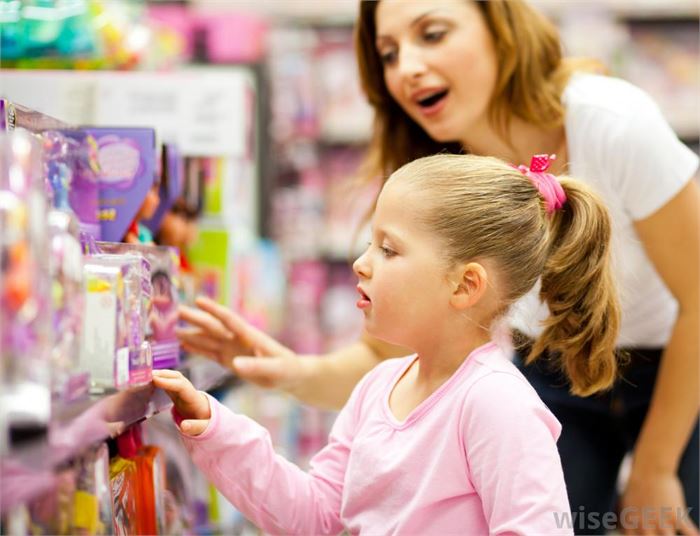
Ask your child to have some goals. The goal could be to buy a new dress for their birthday or buy a new toy they saw with their friend. When they have goals, they will understand that nothing is easy to get in life. They will have to wait, and they will have to work hard to get it. Dot make them set goals which may take a lot of time to achieve as if they do not get it for long they will probably forget about it, or they will not practice this ahead. If they practice having goals from a young age, then they will not find accomplishing goals in future a difficult task.
( Image Courtesy: WiseGEEK )
#4. Pay For Their Work
You can start giving your child money for every work they do. Like you can ask them to help you in cooking or cleaning, and when they help you, then you can give them some money as appreciation. Your children will develop the habit of helping you with the greed of getting money for their toys.

( Image Courtesy: Multiplemayhemmamma )
#5. Take A Trip To The Bank
Take your child to a bank along with you whenever you have some business there. This way the child will learn about the institutions related to money. You can teach them about the safety of money and the functions of a bank. You can teach them that it is important to save your money in a bank. You can teach them that the money transactions take place through a bank. This will make them an aware citizen.

( Image Courtesy: Scary Mommy )
#6. Keep An Allowance Check
Keep the allowance you give your child under check. Do not give your child money that is beyond their need. If you give your child extra money, then they will spend on extra things they do not even require. When the amount of money they have is more than what they really require, they will definitely spend the rest. You need to teach them to be accountable for the money they spend. When they will have to give you the whole account as to what they spent their money on, they will become responsible. This way your child will not engage in any illegal stuff like drugs or alcohol at a young age.

( Image Courtesy: Scary Mommy )
#7. Save In A Piggy Bank
Buy a piggy bank, or you could just keep jars for your kid to save money. The best idea is to keep three jars one for saving, one for spending and one for donating. Give your child some money and divide it into three jars. Tell your kid that if they want to buy something they can use the money from the spending jar. If they want to buy something expensive they can use the money from the savings jar and if they need to help someone they can use the donating jar. When your child starts to spend money, they will observe that the spending jar is getting empty and to buy some expensive toy they do not have enough money in the saving jar. This way they will learn the value of money.

( Image Courtesy: The Singapore Women's Weekly )
If you find this article beneficial for your child, then share your views in the comments section below.
(Featured Image Courtesy: Everyday Dollars)

 Share
Share


