
Introduction
Iron is an important micronutrient that is present in hemoglobin. It ensures oxygen supply to all the cells. It plays an important role in metabolic processes such as DNA synthesis, cell growth, gene regulation, inflammation, synthesis of neurotransmitters, and energy production. Iron is required for growth, cognitive performance and physical work capacity. Iron deficiency has tremendous effects on functional and health outcomes and therefore has negative implications for human performance and productivity. According to NFHS – 3 data, 79.2% pre-school children, 57.9 % pregnant women and 56.2% non-pregnant women are suffering from iron deficiency.
Causes
Iron deficiency is caused by inadequate intake of dietary foods, poor iron bioavailability, poor hygiene and suffering from infections frequently. Other factors include poverty, lack of knowledge, lack of access to a variety of food sources.
Consequences
Iron deficiency anemia (IDA) has massive effects. The consequences of IDA are oxygen-carrying capacity is reduced, increased fatigue, lethargy thus affects the work performance, earning potential and productivity of an individual. It also affects intelligence; attention span is shortened. Thus the individual has difficulty in performing any intellectual task.
Strategies to Reduce Iron Deficiency
There are three strategies for controlling deficiency of micronutrients including iron.
1. Short-Term Strategy: Supplementation is the short-term strategy. This strategy focuses on the vulnerable groups of society, i.e. pregnant, lactating women and children. Tablets or syrups as a supplement to the deficient iron population. It is mandatory to provide pregnant women with an iron supplement of 60mg/d plus 400 micrograms/d folic acid for six months and to continue the dose for three months of lactation. Infants of 6 months to 24 months are also provided with 12.5mg/d iron plus 50 micrograms/d folic acid for 12 months. Pre-school children receive one pediatric tablet containing 20 mg iron and 100 micrograms folic acid for 100 days every year. If the child is iron deficient with hemoglobin levels less than 70 g/L, the doses are doubled. The most common iron compounds used for supplementation are ferrous sulfate, although fumarate and gluconate are also sometimes used.
2. Intermediate Strategy: Fortification of food can be done to increase the iron content of the specific foods that act as a vehicle. Foods that are commonly consumed by the population should be fortified by adding synthetic iron compound. Fortification can be done
a) At industrial level during processing as part of public – private partnership or because of government law for e.g. table salt has to be iodized in order to alleviate iodine deficiency disorder,
b) Home fortification e.g. use of sprinkles (it is a sachet containing mixture of micronutrients) or
c) Fortification by distributors somewhere alongside the food chain, e.g. blending of grains or flour with micronutrient premixes.
This strategy can be achievable as it does not require co-operation of individuals and the cost of implementation is less. Food products that have been already fortified and available are cereal products (wheat, maize, and rice), sugar, condiments, salt.
3. Long Term Strategy: This strategy includes dietary diversification, biofortification and nutrition education. The aim of long-term strategy is to
a) Increase production of micronutrient – rich foods through appropriate agricultural policies
b) Promotion of household production through home gardening
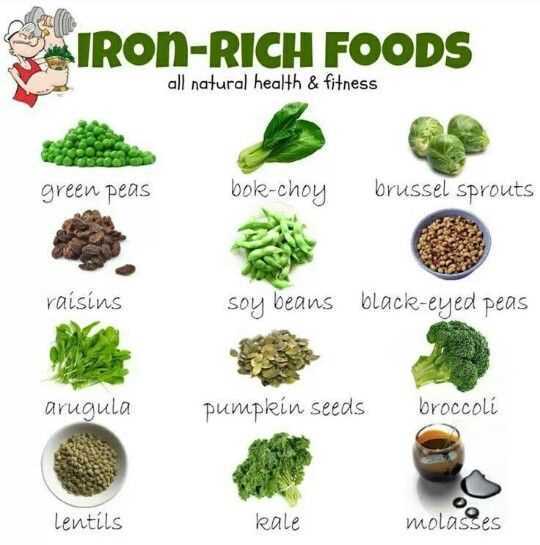
c) Educate and create awareness in the community about including micronutrient – rich foods in their diets which will help in enhancing dietary micronutrient content, improve bioavailability of dietary iron by including foods that increase the absorption of iron such as lemon, tomato, curd, tamarind or create awareness for using different food processing and preparation methods such as soaking, fermentation, germination and malting.
Biofortification is a new approach wherein concentration and bioavailability of the mineral(s) is increased in a staple food crop. This strategy uses plant – breeding such as cross-breeding or genetic engineering techniques that focus on the biosynthetic or physiological capacity of the plant to accommodate and produce the plant with the added nutrients.
Conclusion
During past few decades the research community, government, development agencies and non-governmental organizations have made tremendous efforts to identify the groups who are at greatest risk of IDA and also develop and implement programs for improving the iron status among those communities. Short-term, intermediate and long-term strategies are developed to tackle the problem of iron deficiency. Ultimately, the success of any program or approach to be undertaken for combating iron deficiency depends on strong advocacy, top level commitment, stable infrastructure, long-term financial support and capacity to control the quality and maintain the quality, monitoring of the program and enforce compliance at national or at least regional level. Thus, to achieve success in this approach, the cost of implementing these strategies must be shared by industry, government, donors and also by the consumers.
Ultimately, the success of any program or approach to be undertaken for combating iron deficiency depends on strong advocacy, top level commitment, stable infrastructure, long-term financial support and capacity to control the quality and maintain the quality, monitoring of the program and enforce compliance at national or at least regional level. Thus, to achieve success in this approach, the cost of implementing these strategies must be shared by industry, government, donors and also by the consumers.


11 Opinions

106 Opinions

 Share
Share


Totally agree. In this way we can have anemia free country in less time.