

If your blood pressure is 120/80 mmHg, what does that mean? Are you healthy or suffering from low or high blood pressure? If the numbers your doctor says after taking your blood pressure puzzle you, then you are on the right page.
Knowing the blood pressure readings is crucial as it may save you or your loved one’s life. All your questions like what is the average blood pressure, what is hypotension and hypertension, and more finally have an answer!

(Image Courtesy: Remedies For Me)
Blood Pressure Reading
As you may already know, blood pressure is denoted in a fraction. The number at the top is the systolic pressure, whereas the one at the bottom is diastolic. When the heart beats, it pushes blood through the arteries, which creates pressure on the blood vessels; this force is known as the systolic blood pressure. But, when the heart rests between two beats, some pressure still exists in the arteries, and it is referred to as diastolic pressure. The pressure in blood vessels is calculated in mmHg, one unit of which is equal to 133.322368421 pascals. The device used for measuring it is called a sphygmomanometer.
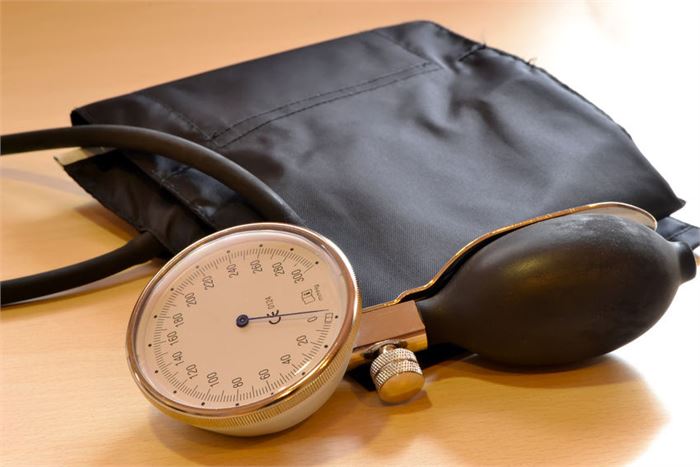
(Image Courtesy: eBay)
Ideal Blood Pressure
According to the American Heart Association (AHA), the normal systolic pressure, the number on the top, is between 90 and 120, and the ideal diastolic pressure, the one at the bottom, is from 60 to 80. Hence, if your blood pressure ranges below 120/80 mmHg and above 90/60, then you have nothing to worry about.
High Blood Pressure
High blood pressure (HBP) is the condition when an individual’s systolic pressure is more than 120 or diastolic pressure is above 80. Since untreated HBP can lead to severe heart complications and stroke, it is better to keep it in check. Not every case of HBP is life-threatening as there are different stages that you need to be aware of.
If your systolic pressure falls between 120 and 139 and diastolic between 80 and 89, this condition is called prehypertension, which you can treat without medications by adopting a healthy lifestyle. When an individual’s systolic pressure is between 140 to 159 and diastolic pressure ranges from 90 to 99, the condition is called State 1 Hypertension. One reading may not be crucial, but if your blood pressure consistently falls in this bracket, then you may need to start medication.
Furthermore, while the systolic reading above 160 and diastolic reading over 100 are signs of Stage 2 Hypertension, blood pressure above 180/110 mmHg is called a hypersensitive crisis, requiring you to undergo urgent treatment.

(Image Courtesy: Reader's Digest)
Low Blood Pressure
If your reading falls below 90/60 mmHg, then you have low blood pressure, the medical term for which is hypotension. This condition can also put your life at risk as your heart, brain and other organs may not get enough oxygenated blood to function properly. Also, it could be a sign of an underlying problem, needed to be treated promptly. Feeling dizzy and disoriented are its symptoms.

(Image Courtesy: Reader's Digest)
So, if you are thinking about living a long and healthy life, keep your heart rate between 60 and 100 beats per minute, cholesterol under control, and blood pressure in check. It will be easy now that you know what it means.
Did it clear your doubts? Share your opinions and thoughts with us by commenting in the box below. We would love to hear from you!
(Featured Image Courtesy: Hemophilia Federation of America)

11 Opinions

106 Opinions

 Share
Share


