

“Democracy is never a thing done. Democracy is always something that a nation must be doing." - Archibald MacLeish
Amongst the many political systems that have sprung up over the world today, Democracy remains the safest and most the dignified one.
It’s been time tested and trusted from centuries. But how do we define democracy? In a layman’s language, Democracy is a political structure that’s for the people, by the people, and of the people.
The Democratic system of governance could be the most civilized way of ruling a country if compared to that of dictatorship or monarchy. Democracy works well and is quite fluid even though there could be a few flaws.
The ideal form of government is one where the dignity of every citizen is maintained. What democracy does for the country’s citizens is something that makes it stand apart from other forms of governments. There happens to be freedom and justice universally. Every being takes a walk of significance.
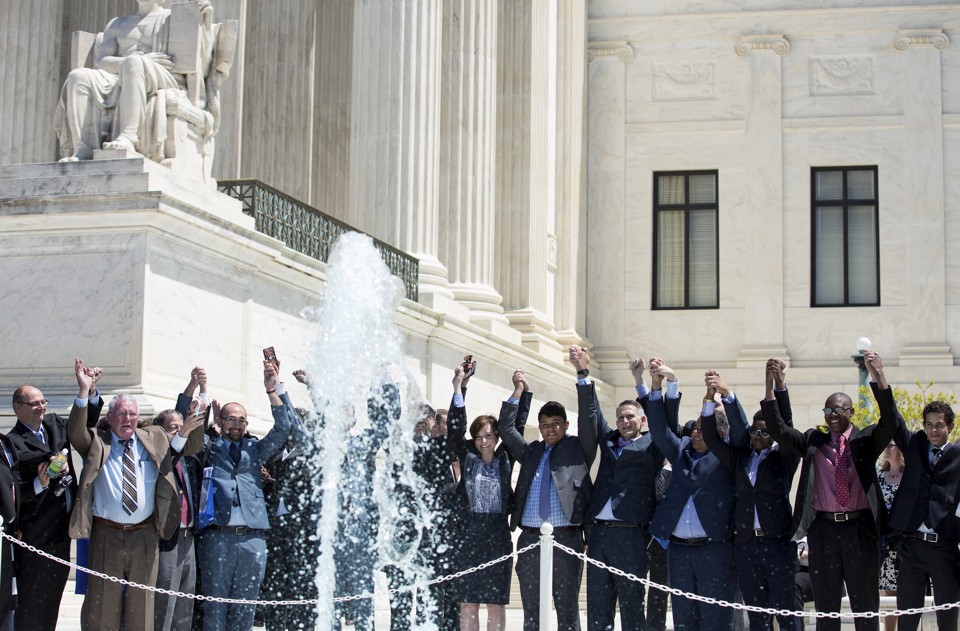
(Image Courtesy: The Atlanric)
Representatives are accountable for every decision they make and for each act of theirs. No other form of government nurtures and shapes up the life of its subjects better than democracy. Policymakers are bound to provide explanations in favor of public interest.

(Image Courtesy: The Wire)
It is always possible for people to elect an unworthy leader. However, in a democracy, citizens always have a reset button. When elected representatives turn out to be corrupt, the public can make informed decisions and vote for a better person the next time.

(Image Courtesy: Sitra)
Having differences is an inevitable aspect. Democracy deals with those differences in a positive and structured way. Rather than grief and resentment, everyone emerges out learning to live peacefully.
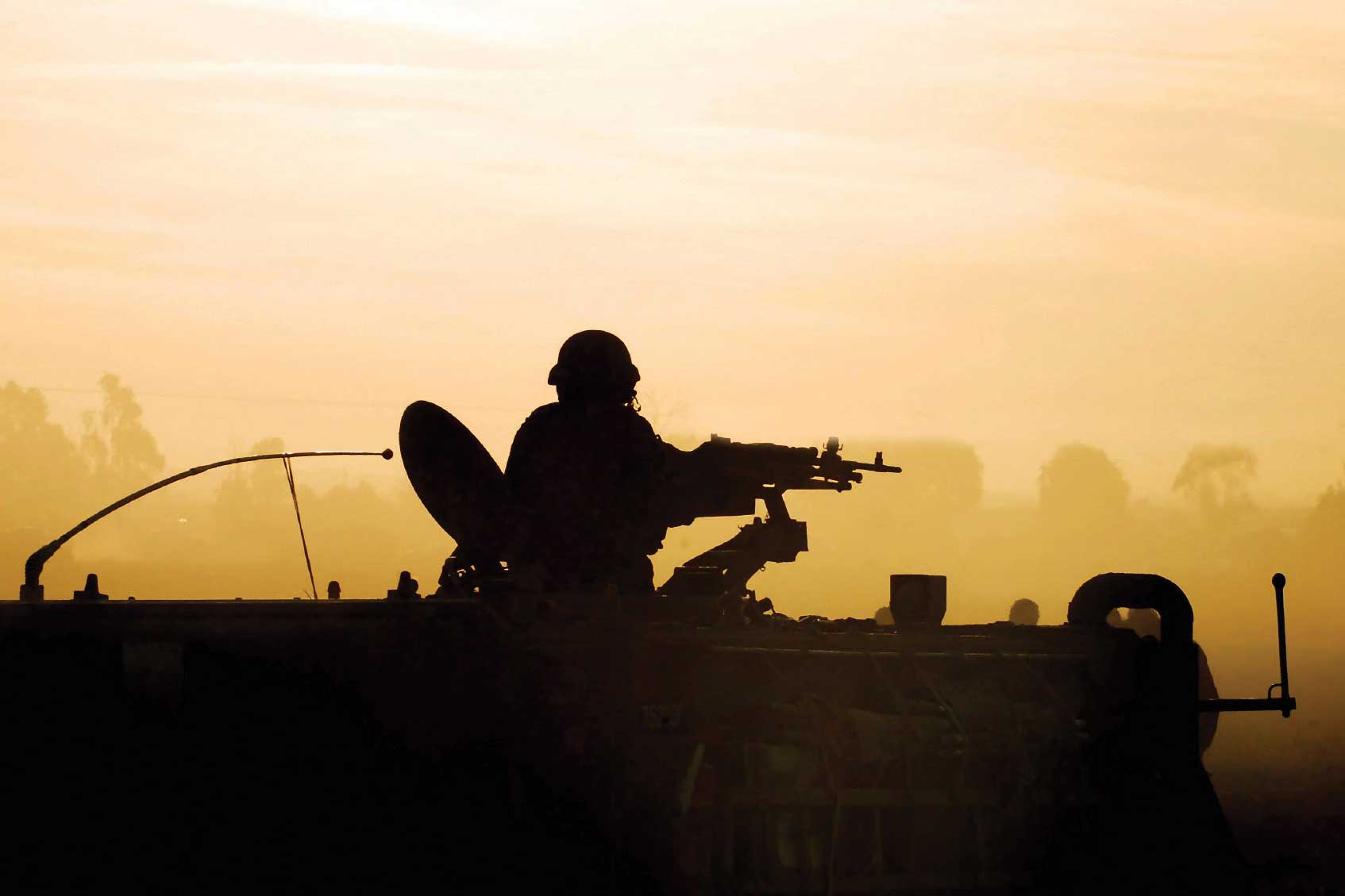
(Image Courtesy: University of Kent)
Democracy is a pillar on which stands the concept of fairness and mass power. There persists a fair, free and healthy competition amongst every sector. Real democracy does not let power or muscle show its might.

(Image Courtesy: Business Insider
Democracy often paves the way for changes. It is only in this form of governance that individuals can think of bringing about a change with complete freedom to involve and participate in nation building. Democracy appreciates revolutions.

(Image Courtesy: Washington Examiner)
Democracy creates an environment that’s ideal for development. This kind of a political system makes the people learn about their duties and rights from birth to death. It also encourages citizens to exercise their fundamental rights.

(Image Courtesy: Pinterest)
The public is the power in a democracy. It has the right to decide its leaders and knows that their representatives will always have a sense of obligation towards the consensus. This also makes them much more stable and responsible regarding better governance and efficient management. The administrative conducts happen with dedication and sensibility.

(Image Courtesy: The Economist)
The fundamental rule of democracy is equality. Each citizen is equal in terms of rights, class, religion as well as property. Discrimination does not reign in any way.

(Image Courtesy: Pinterest)
The fact that democracy allows a full-fledged procedure for election of the representatives makes it open and free. Monopoly doesn’t sustain, and authority needs to keep in mind every aspect that's regarding the public matters.

(Image Courtesy: Ars Technia)
The Democratic system of governance makes sure that every person can voice his/ her opinion even in front of the highest authority. There’s no difference between the majority and the minorities. The right to speech is a fundamental human right.
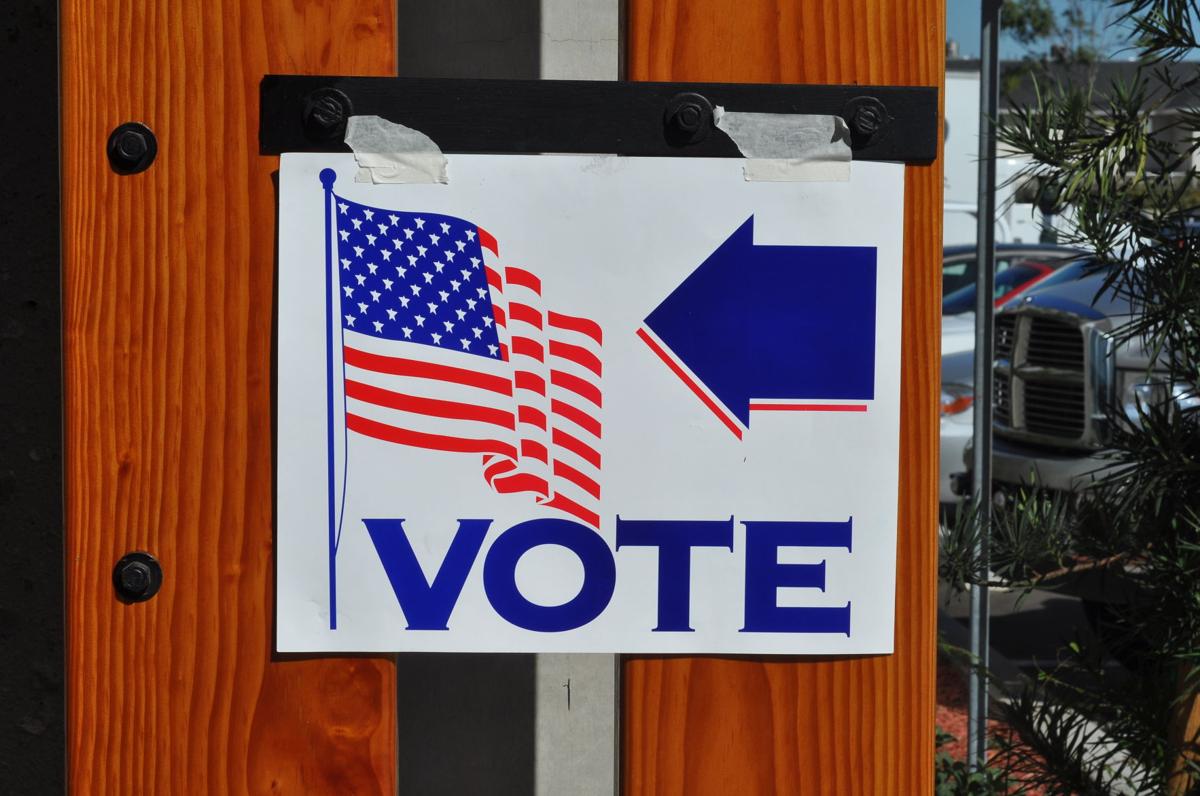
(Image Courtesy: The Collegiate Times)
Loved what you just read? Let us know through the comment section below. We would love to hear from you!

24 Opinions

 Share
Share


Pure forms of democracy are not practical, since under an absolutely pure democracy every citizen would vote on every issue. Therefor the U.S. and many other countries commonly referred to as "Democracies" are actually Constitutional Republics with elected representative who then democratically represent the citizenry and abide by the content of the constitution and associated supporting features such as the Bill of Rights. Together, they form the rule of law and make up the best forms of government today.