

Have you ever found yourself lurking in sadness, feeling low, worrying over tidbits of life? The answer in most cases would be yes, and such situations are common in everybody's life. The problem arises when this state gets extended over a long period of time, and a person finds it beyond control to battle it down. Depression is quite a familiar term in the present scenario. According to the World Health Organization (WHO), an estimated 350 million people are affected by depression, globally which is not a small figure.
Depression is a serious mental illness that affects the way you feel, think and act upon things in a negative manner. It is usually followed by a prolonged state of feeling low, fatigue, loss of interest in activities among others. For diagnosis of depression, these symptoms must last for at least two weeks. Considering the fast-paced lifestyle and lack of time for personal well-being, depression is a common form of mental illness among people. Women are more prone to depression than men. However, because of the high frequency of this mental illness, doctors and physiotherapists have come out with several remedies to treat this ailment.

People are coming out in large numbers to talk about this serious mental issue which is a good and positive thing. One can also see a number of celebrities coming up and talking about their mental illness. Though, medication and psychotherapy can help alleviate the symptoms at a nascent stage but the problem is that often, the illness remains undetected in the early stages. In such cases, it becomes difficult and a bit complicated to treat the patient. Also, sometimes patients show a lot of reluctance to seek medication when the depression reaches at an advanced stage as they lack any sort of interest and motivation in any activity, even if it is in their own interest.
In such situations, unconventional modes of treatment such as dancing becomes the gateway to come out of this mental illness. Dancing plays a substantial role in the treatment of depression as it involves a lot of physical activity and movements. Dance therapy is a widely accepted treatment for depression supported by extensive testing and research. The aim is to help patients fight their depression through movements that can improve their emotional, mental, physical, cognitive and social well-being. Here's how some simple moves can cure your depression and bring back the charm in your life.
How Dancing Help To Cure Depression?
#1. Ballet Moves Are The Best
A loss of interest in even the commonest of activities is an early sign of depression. Patients suffering from depression lack the willingness and enthusiasm to get up and move their bodies. It is extremely difficult to get motivated during the depression phase. Dancing, as a therapy helps inducing dopamine ( a neurotransmitter that facilitates the control of brain's reward and pleasure centres) and endorphins (chemicals released by the body during exercises) in the patient. Both these chemicals play a significant role in maintaining the equilibrium of the body and stay motivated to perform all the activities in daily life. Dancing can help to erode away that reluctance to move and get up. Some simple steps and aerobics can help charge a person both physically and emotionally. Sometimes, patients are reluctant to accept that they are suffering from some kind of mental disorder, be it depression or any other mental illness. In such situations, dancing can help the patient to be treated in a casual manner.

#2. Flow To Enhance Focus
Dance sessions have a certain flow. They are like meditation which helps one to cherish the present without worrying about one's illness. Dancing as an art form in itself is so vibrant and vigorous that for time-being, it leaves no room for worry and depression. It also requires focus and concentration. This state of consciousness is popularly termed as 'flow' by psychologists. The flow helps the patient to be in the zone and he/she will be so pre-occupied in mastering those dance moves that there remains very less scope of fretting. The best part about this flow during dance sessions is that the patient is not required to try hard to achieve this. This comes out very naturally during dancing.

#3. Music To Uplift Your Soul
Dancing is mostly performed on some sort of music. The rhythm when combined with dancing moves create magic. The rhythm is very soothing for our brain. A study performed by Swedish researchers on teen girls suffering from anxiety, stress and depression asked 50% of the girls to attend dance classes once per week, the other half were not asked to do so. The results showed a limited level of stress and depression in the teen girls who attended dance classes. The conclusion was that dance sessions motivated the girls to actively involve in the activity because of higher levels of dopamine which were induced in them after the dance sessions. To some extent, the music involved in dancing is also responsible for reduced levels of stress and anxiety in girls. Music and dance when combined help the patients to focus in a particular direction. Dance is always accompanied by music be it a recorded version or live music which arouses pleasure in patients and they tend to recover faster from anxiety and depression as they enjoy the whole process.

#4. A Chance To Accept The Presence Of Others
Patients suffering from depression do not like to interact with other people. They lack the motivation to do so and lock themselves up in their own space where other people are not allowed to enter. In fact, they often take a lot of time to open up in front of the psychologist about their mental disorder. In such situations, dancing comes as a solution in disguise. Usually, dancing sessions are performed in groups but people are not required to engage in interaction unless they want to do that themselves. A person suffering from depression is quite reluctant to indulge in interactions. Thus, dance sessions provide them a chance of accepting the presence of other human beings in the same space without feeling the need to engage in a chat with them. Gradually, people become comfortable in the presence of the other people and feel better with a reduced level of anxiety and stress.

#5. Pursue Dance As An Activity
Dance form is an activity that requires a lot of time and practice for improvement and refined skills. Different techniques and moves taught in a dance class help people to stay focused and work better in order to achieve perfection. This is a very healthy activity for people suffering from depression as otherwise; they tend not to show any interest in other activities. The struggle to remember a complex movement and a dance sequence is a task for a person fighting from depression. However, if the person learns the movements well, he/ she feels good because of the fact that they have achieved something. This sense of achievement releases dopamine in the body which helps reduces anxiety, stress and depression and creates motivation to master the art further, keeping depression at bay.
Dance Therapy Sessions vary depending on the nature of the patient, intensity of the illness, therapist and treatment style. Some sessions are organized in a carefully curated set up with the therapist directing the movements of the patient to achieve some specific goal. Others are organized in open spaces. They may be a collaborative attempt of both the therapist and the patient aimed to increase the awareness of the patients towards his surroundings.

Generally, a dancing therapy involves three steps which are aimed to fight reduced levels of anxiety, stress and depression. Read the steps involved in the dancing therapies below:
#1. Mirroring
In order to provide an emphatic understanding, the therapist mimics the patient's movement so that he/she may not feel awkward in the session. This process is called mirroring. It helps to make the patient feel comfortable in a therapist's presence and perform the dance movements accurately. Mirroring is a collaborative attempt of both the patient and the therapist which requires the active involvement of both the parties.
#2. Jump Rhythms
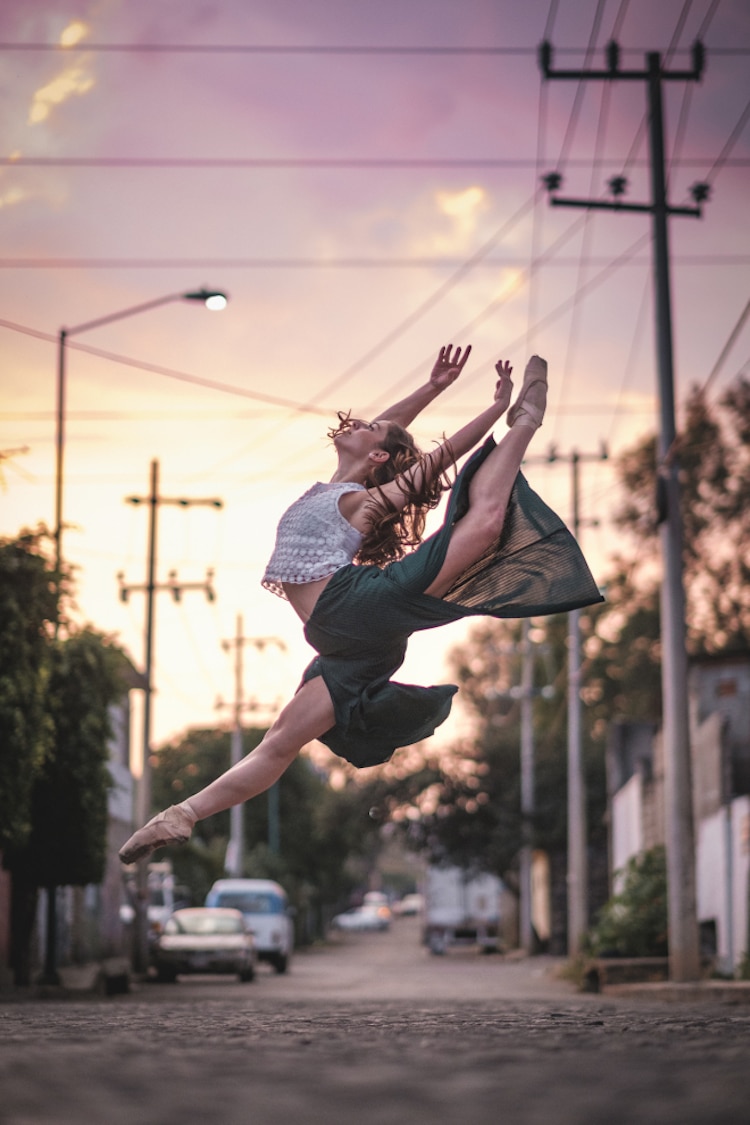
Jumping is a very crucial part of dance therapy sessions. Jumping, in a rhythmic way, produces pleasurable hormones and trigger a positive reaction in the patient's brain. This can help the patient feel better with a reduced level of anxiety and stress. Jumping is a very rigorous activity which helps the patient to engage in the dancing session actively while enjoying the rhythmic movements.
#3. Movement Metaphors
Movement metaphors are the most interesting part of the dance therapy session and are usually performed at a higher level of the therapy. In this process, patients are taught to perform some real-life situation in a symbolic manner through movements and dance sequences. Movement metaphors enhance the cognitive abilities of the patient and help him to think and act as required.
However, some of the studies have also revealed that when it comes to curing serious mental disorders such as chronic depression, dancing is not very effective in long run.
#1. Lack of Proper Evidence
The effectiveness of dance therapy sessions is not completely credible due to lack of proper evidence and less number of studies. Although, research suggests that dance therapy sessions are more effective than standard care for young people but their impact in the treatment of chronic depression is still questionable. The studies supporting dance therapy sessions are not as reliable as the ones which prove the roles of psychometric tests, anti-depressant, counseling etc. in the treatment of depression.
#2. Ineffective In The Treatment of Chronic Depression
Though dancing can be helpful in curing stress, anxiety and mental disorders of minimal order but serious mental disorders such as dementia and depression are difficult to be treated. Such mental illnesses require proper medication and regular therapy sessions. While dancing can be a part of such therapies, it might not cure the disorder solely ad completely.

Did you find this article informative and interesting? Want to read more such stuff? Let us know in the comments section below.

28 Opinions

3 Opinions

 Share
Share


